What Makes an Event “Photogenic”? A Corporate Event Photographer’s Perspective.
When planning an event, most organisers focus on the guest experience—how it feels, flows, and delivers on the brief. But there’s another layer that’s just as important for brands and agencies: how the event looks in photographs.
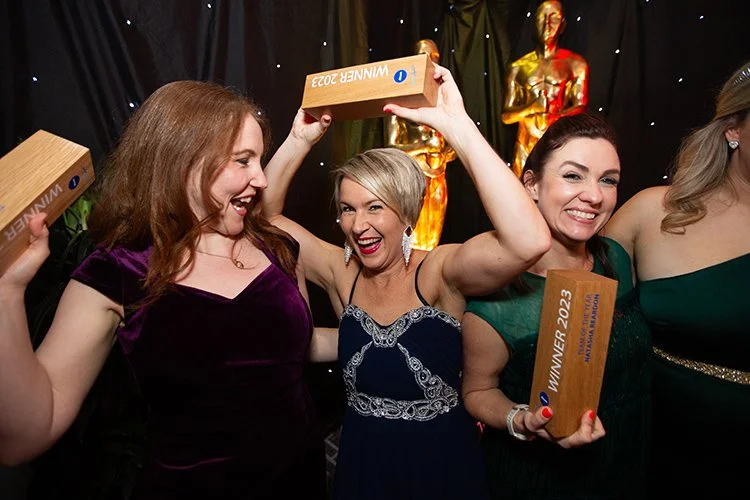
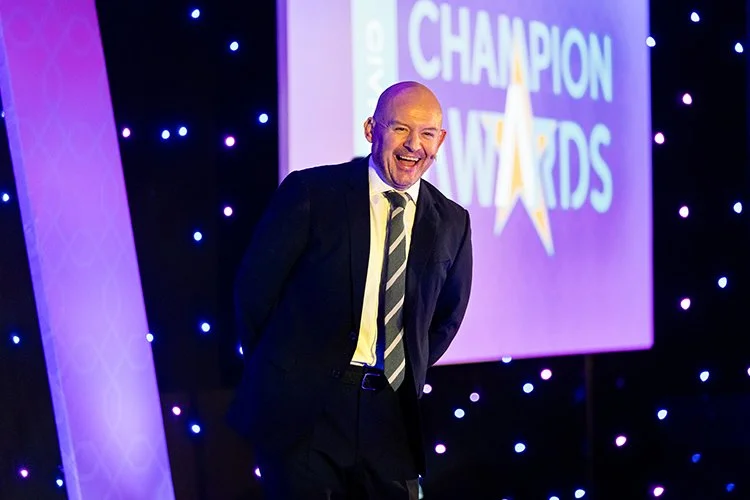
As a corporate event photographer in the UK, working with agencies such as The Events Company and Copper Events, I’ve seen how small planning decisions can dramatically improve the final imagery.
If you want your event photography to stand out—and deliver long-term value—these are the key elements to consider.
1. Lighting: The Most Important Factor in Event Photography
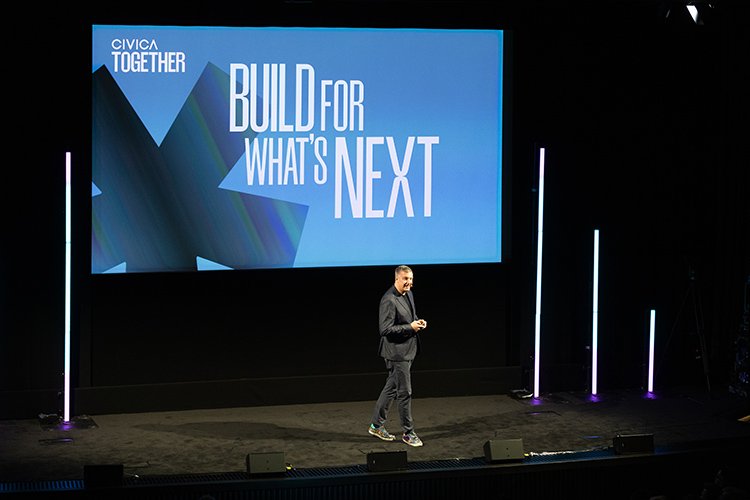
Lighting is the single biggest influence on event photography.
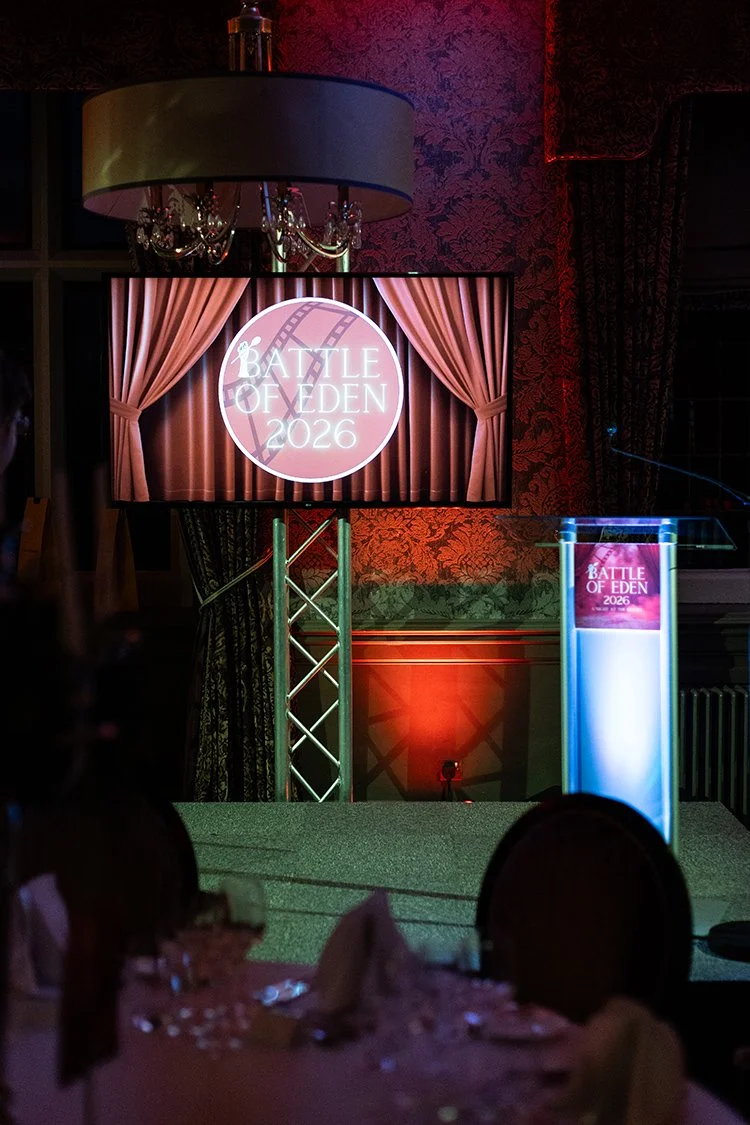
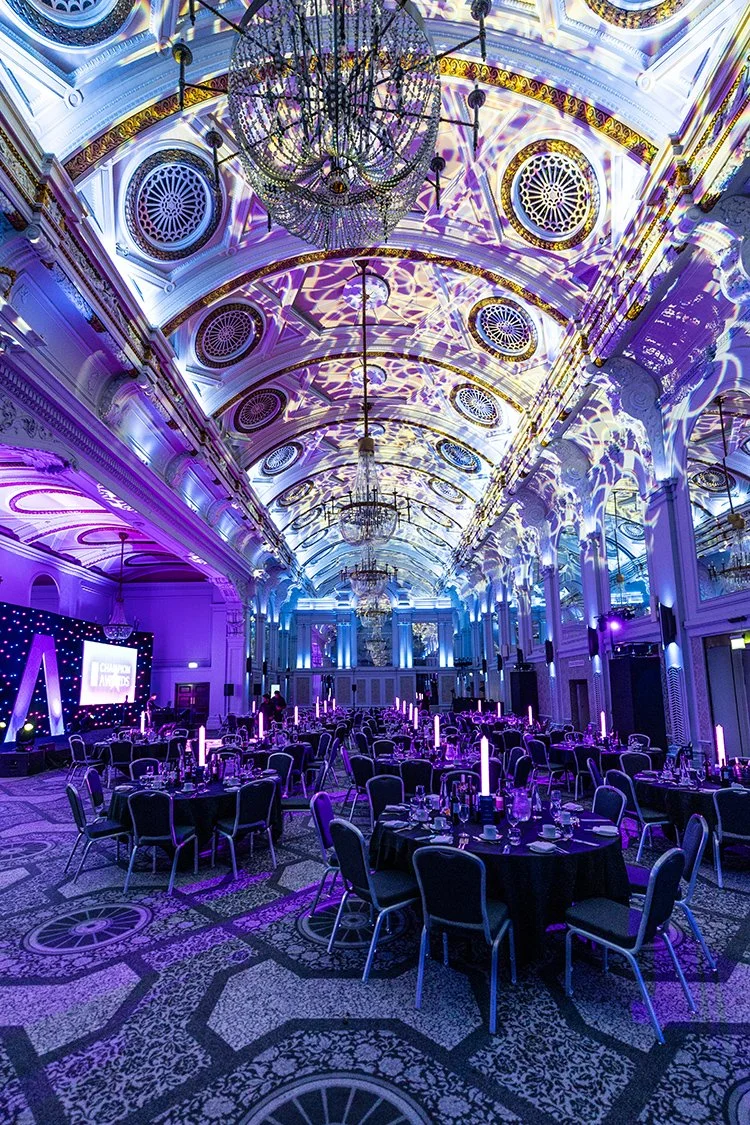
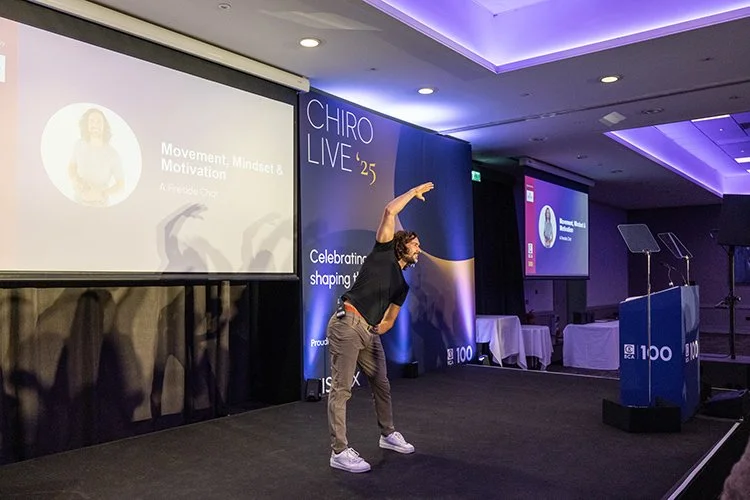
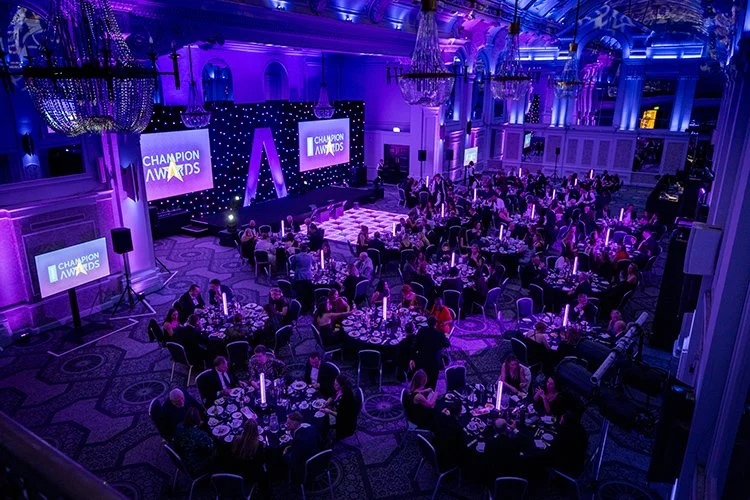
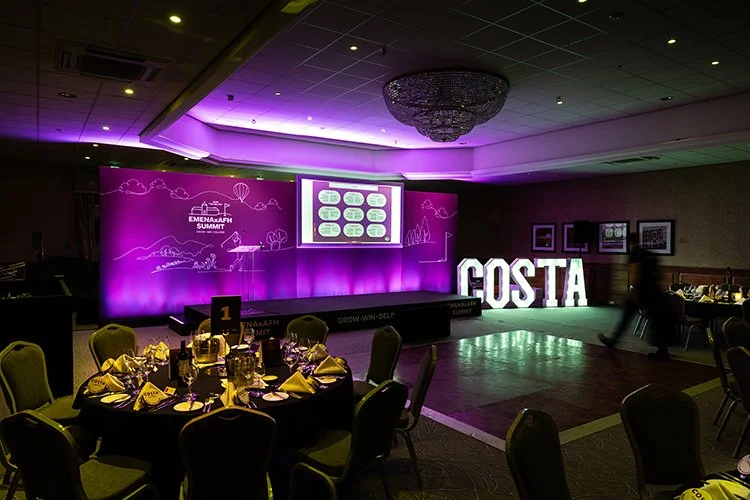
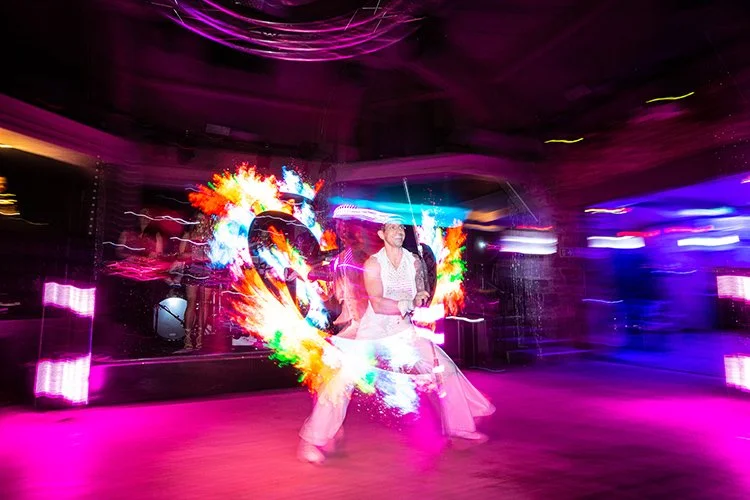
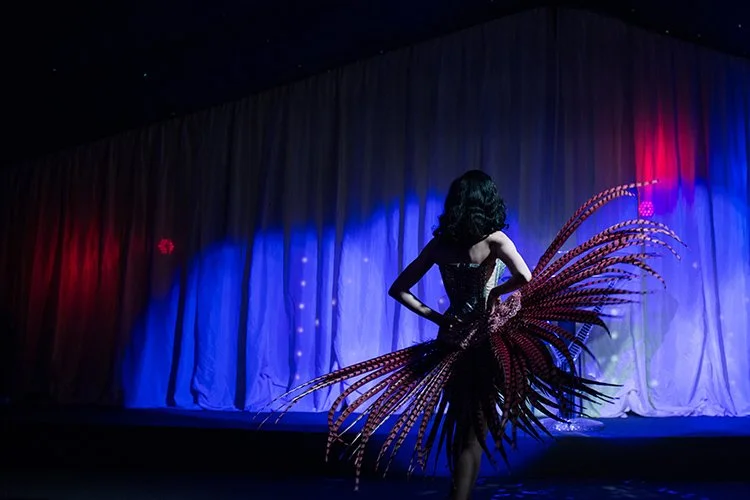
While atmospheric lighting can look incredible in person, it doesn’t always translate well on camera. Very dark environments, strong coloured lighting (such as deep reds or blues), or harsh spotlights can reduce image quality and limit flexibility.
Best practices for photogenic events:
Use layered lighting (ambient, accent, and practical lighting)
Keep tones balanced where possible
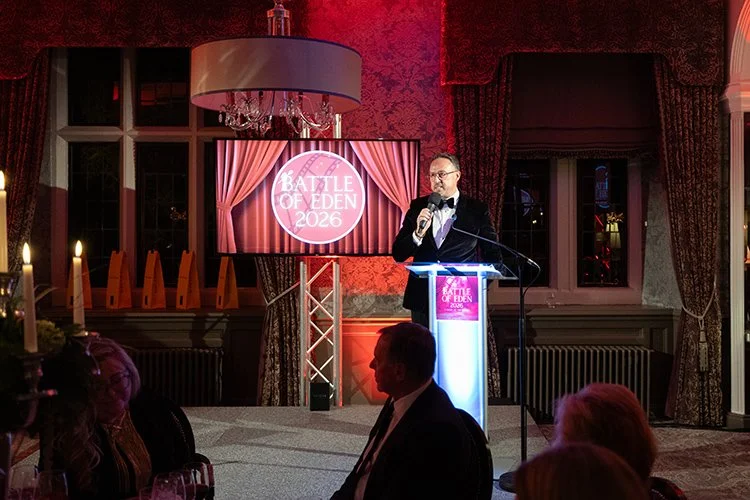
Ensure consistent lighting across key areas like stages and networking spaces
A well-lit event doesn’t mean overly bright—it means intentionally designed for both guests and photography.
2. Branding Visibility: Maximising Value from Your Event Photography
For brands investing in corporate event photography, visibility is key.
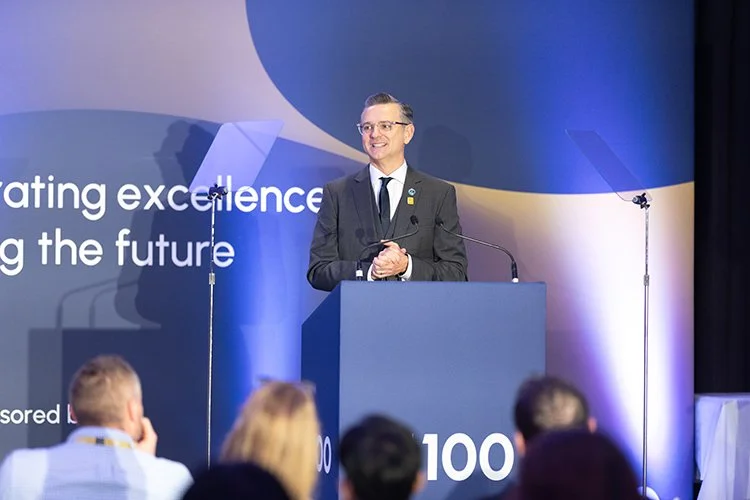
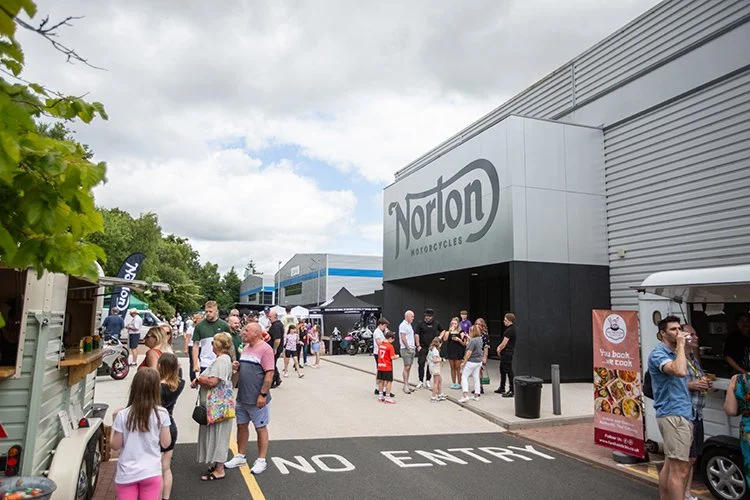
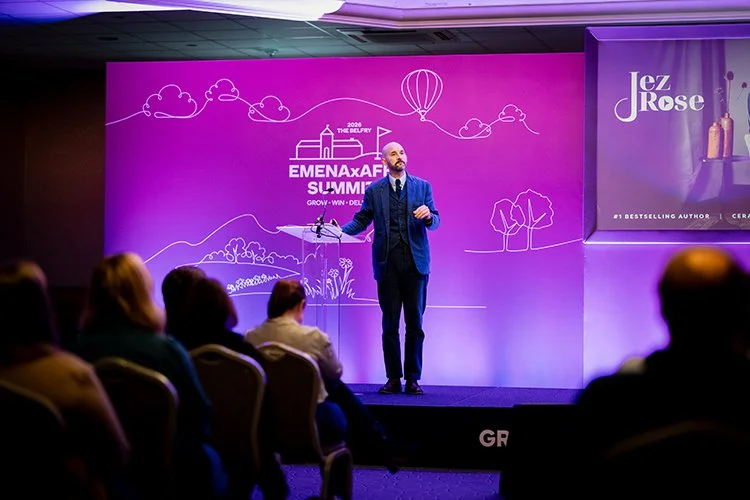
Logos and branded elements that are poorly placed or badly lit often disappear in photos—reducing the long-term marketing value of the images.
How to improve branding in event photos:
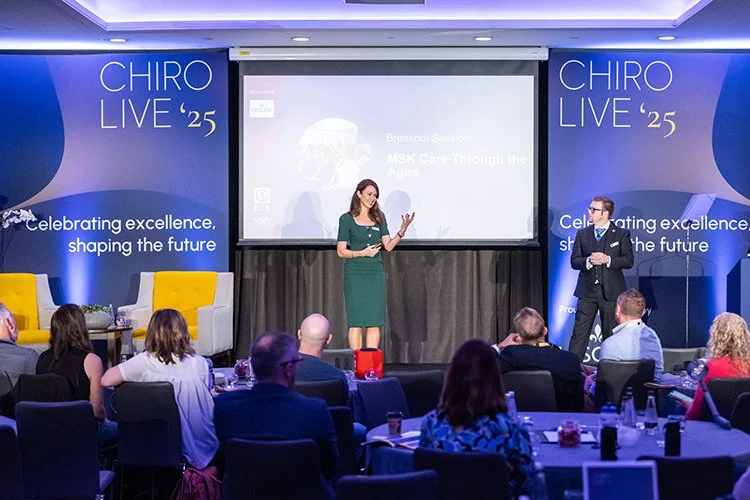
Position logos at eye level or above
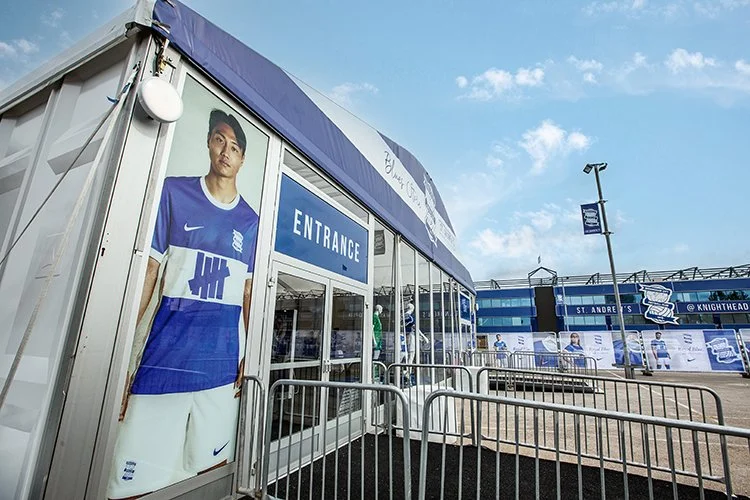
Ensure all signage is properly lit
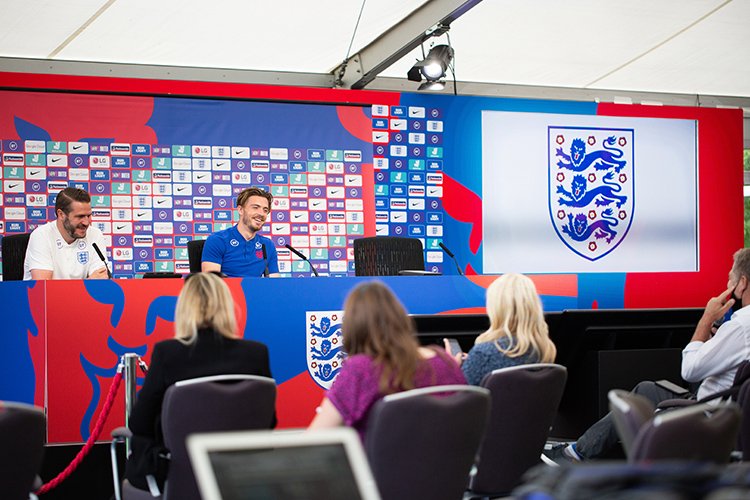
Incorporate step-and-repeat backdrops or branded installations
Keep branded areas clean and uncluttered
Strong branding ensures your event photos can be used across PR, marketing, and social media.
3. Event Layout & Guest Flow: Capturing Natural Moments
Great event photography relies on natural, authentic interactions. But those moments depend heavily on how your event space is designed.
Poor layouts can lead to overcrowding or awkward positioning, making it harder to capture clean, professional images.
What works well:
Clearly defined zones (welcome, bar, networking, stage)
Enough space for guests to move freely
Key features positioned in visible, accessible areas
Good flow creates energy—and that’s exactly what elevates your corporate event photography.
4. Choosing a Photogenic Venue
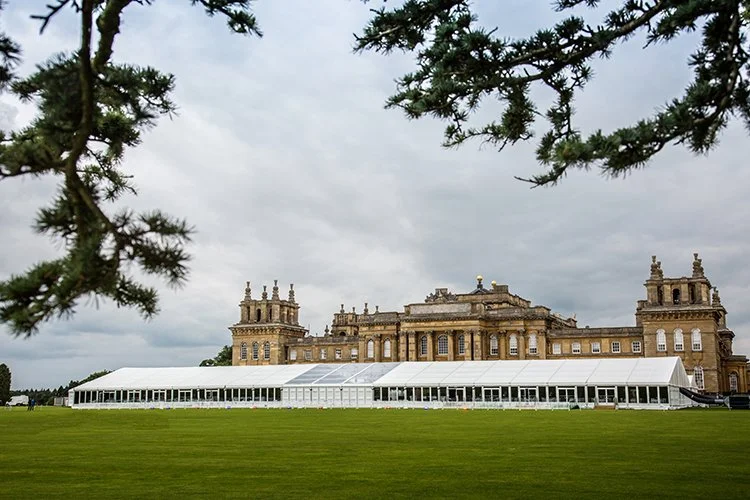
Not all venues are equal when it comes to event photography in the UK.
Some spaces naturally provide better conditions, while others require more production to achieve the same results.
Look for:
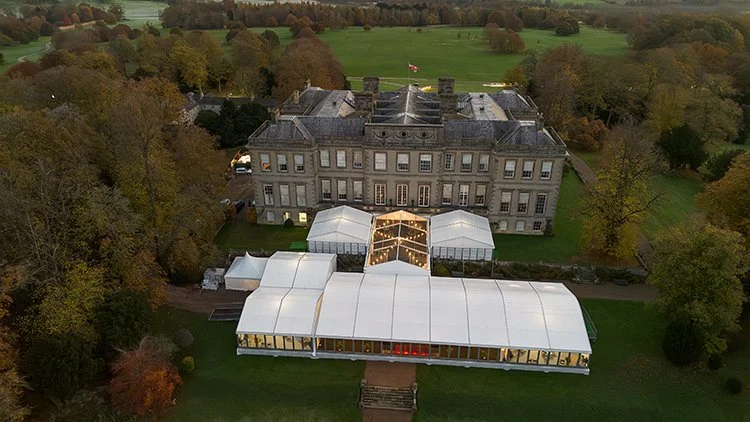
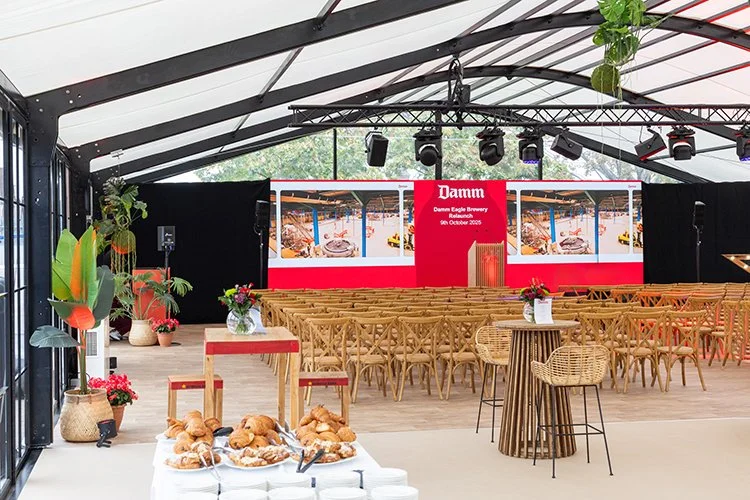
Natural light (especially for daytime events)
High ceilings and open layouts
Neutral tones and clean backgrounds
Minimal visual clutter
The right venue can significantly enhance your event photography results before the event even begins.
5. Designing Events with Photography in Mind
The most successful events are designed for both experience and visuals.
This is where event planners and corporate brands can gain a real advantage—by considering photography during the planning stage rather than as an afterthought.
Examples include:
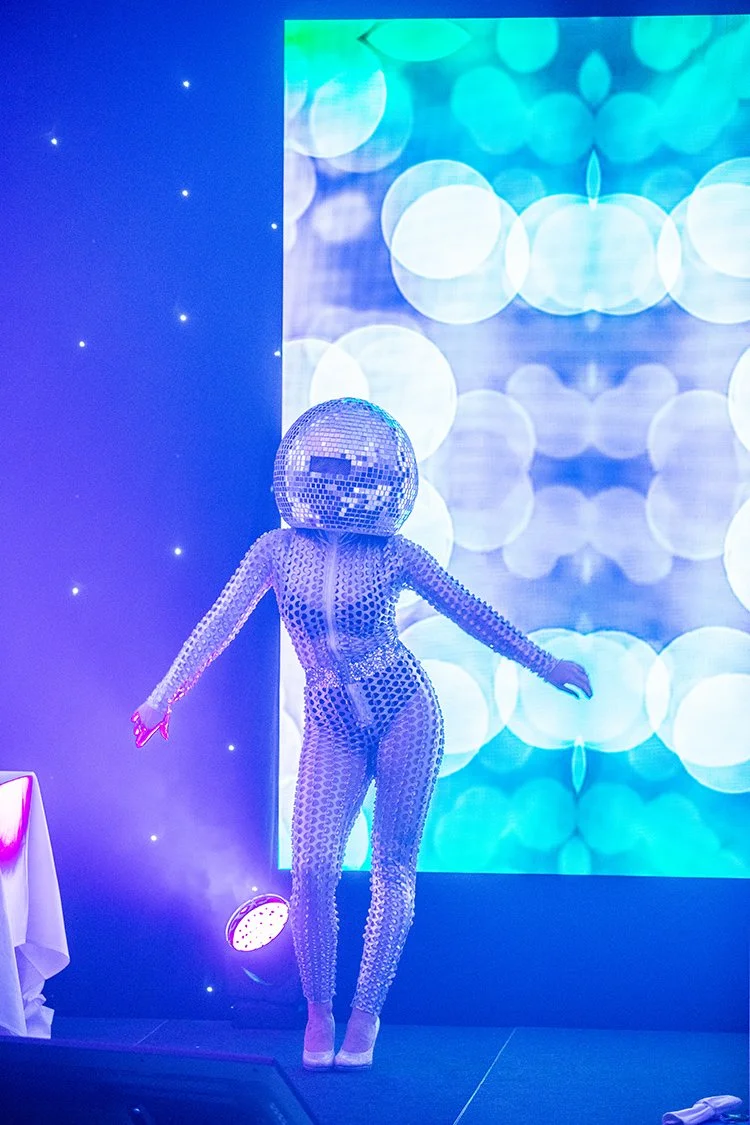
Feature installations that double as photo opportunities
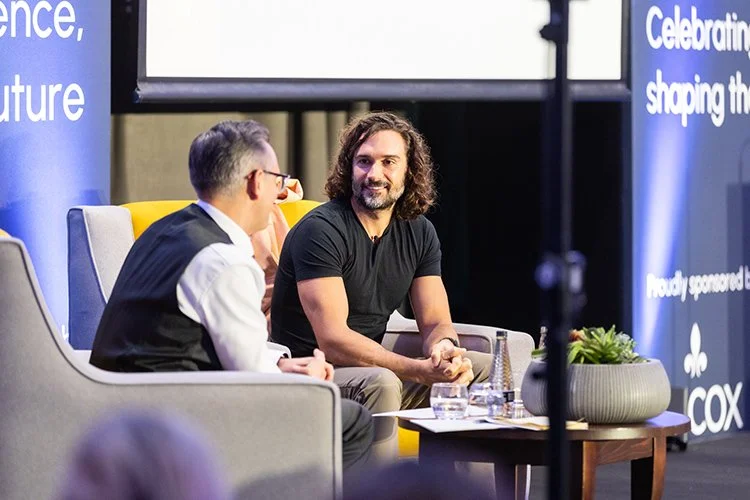
Well-lit stages for both presentations and imagery
Integrated branding that feels natural but remains visible
This approach ensures your event photography delivers maximum impact.
Why Photogenic Events Matter for Brands
High-quality corporate event photography is more than documentation—it’s a long-term marketing asset.
From social media content to press coverage and future campaigns, strong imagery helps extend the life and value of your event.
By planning with photography in mind, you’re not just improving how your event looks—you’re investing in how it performs afterwards.
Looking for a Corporate Event Photographer in the UK?
If you’re planning an event and want to ensure it looks as good as it feels, working with an experienced event photographer early in the process can make all the difference.