I recently returned to Opheem, Birmingham's two-Michelin-starred restaurant, to photograph a selection of their beautifully crafted cocktails, including a feature image for Opheem and Johnnie Walker Blue Label whisky.
One of my favourite aspects of commercial food and drinks photography is how creative you can be with lighting. Through the use of flash, reflectors, colour and composition, you can completely transform the appearance of a subject and its surroundings.
For this shoot, I wanted to create a collection of rich, atmospheric images that complemented the luxurious interiors of Opheem, whilst showcasing the detail, colour and craftsmanship that went into each drink.
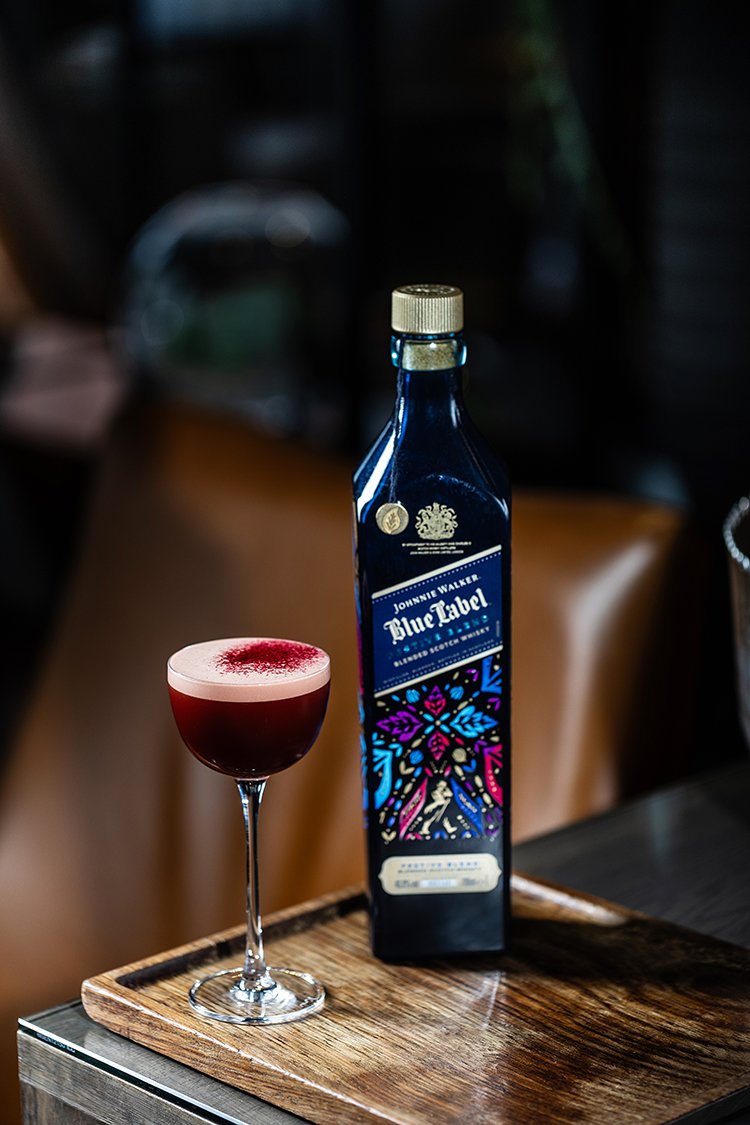
Photographing Johnnie Walker Blue Label
When creating an image like this, I always find it easier to break the lighting down into individual stages rather than trying to light everything at once.
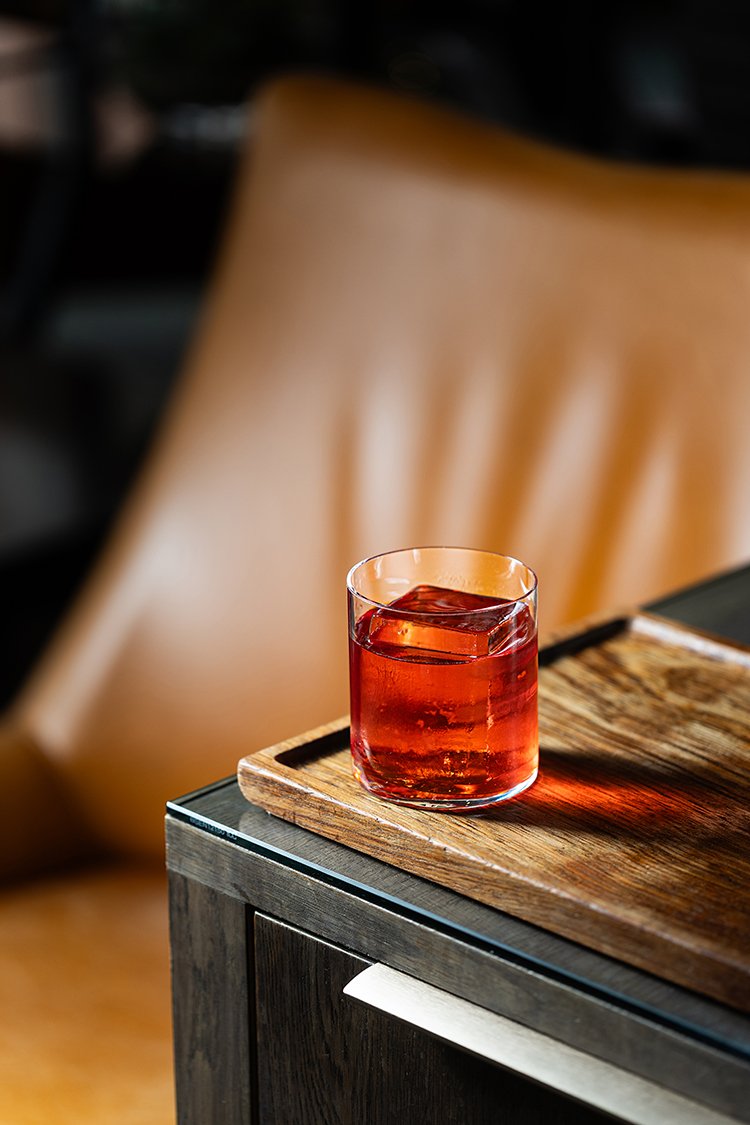
For the main Johnnie Walker image, I used the existing furniture and surroundings within Opheem to create my composition. The warm tones of the leather chair and wooden tray worked particularly well against the deep blue of the whisky bottle.
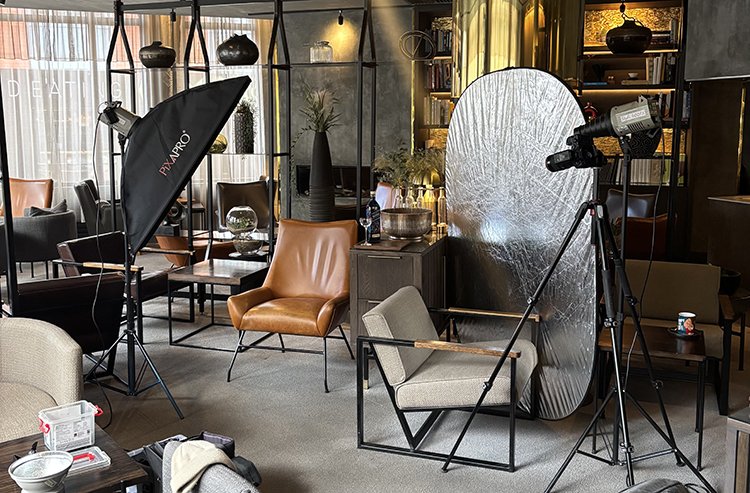
Behind the scenes – turning a small area of Opheem into a temporary photographic studio.
Step 1 – Exposing for the background
Before introducing any flash, I set my exposure for the background. I wanted to retain the character of the restaurant whilst creating a dark, atmospheric feel.
Using a shallow depth of field helped soften the background, removing unnecessary distractions whilst retaining a sense of location.
Step 2 – Lighting the cocktail
Once I was happy with the background, I introduced a flash through a large softbox positioned to the left of the drink.
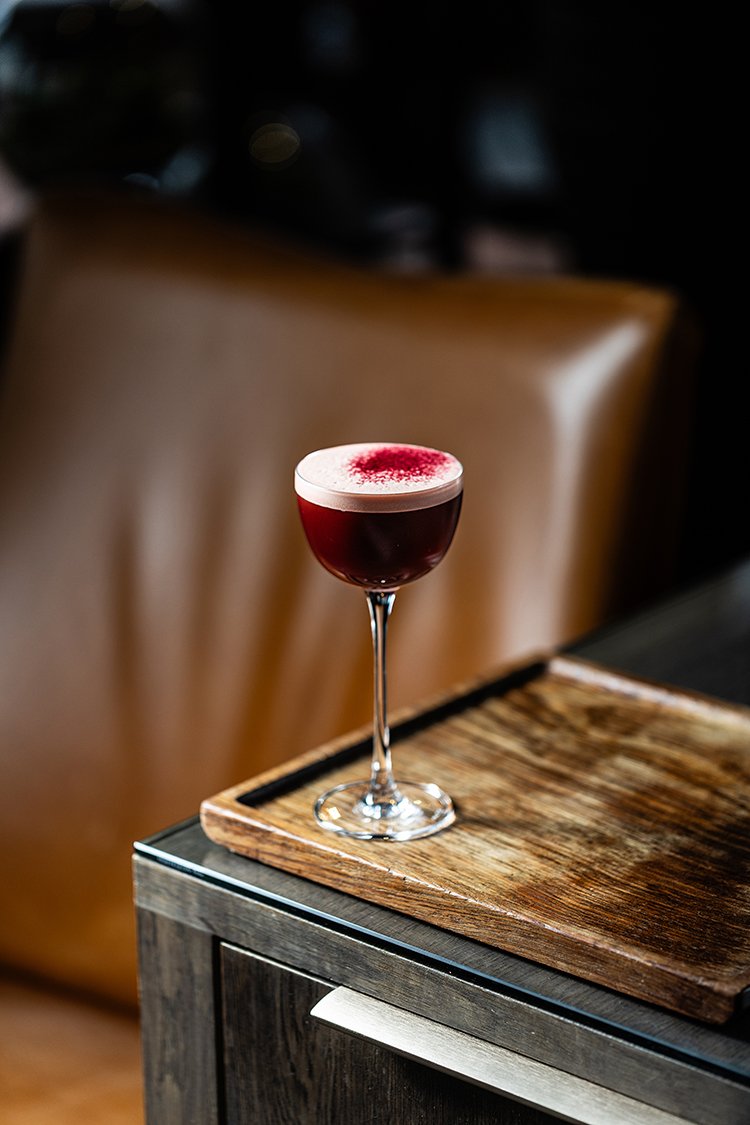
This brought out the rich colour of the cocktail, the texture of the foam and the detail in the garnish, whilst creating some lovely highlights on the glassware.
Step 3 – Adding a reflector
I positioned a large silver reflector to the right of the cocktail to bounce some of the light back into the shadows.
This allowed me to introduce additional detail without losing the depth and contrast I had already created. Sometimes a simple reflector is far more effective than introducing another flash.
Step 4 – Lighting the whisky bottle
The final challenge was the Johnnie Walker Blue Label bottle itself. Although I was happy with the cocktail, the bottle was still appearing too dark.
I introduced a second flash from the front, using a snoot to concentrate the light onto the bottle. This helped reveal the intricate design, colours and branding without dramatically changing the lighting elsewhere in the image.
By building the lighting in stages, I was able to control each individual element of the photograph.
Creating a Background Using Coloured Gels
For the next cocktail, I took a slightly different approach.
I'd found a section of wooden panelling within the restaurant that I thought would make an interesting background. However, the existing light wasn't doing anything particularly exciting with it.
Rather than moving to another location, I decided to create my own background lighting.
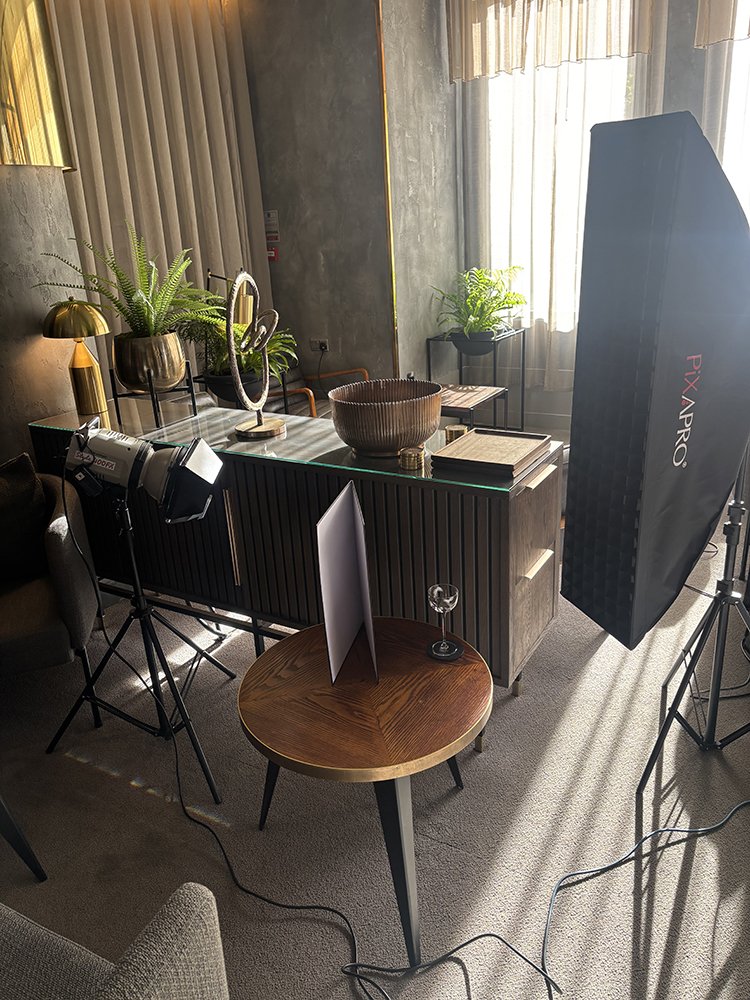
The lighting setup before introducing the cocktail.
I introduced a flash with a blue gel, bringing out the texture and vertical lines of the panelling. This immediately transformed the background and created a beautiful contrast against the warm, rich tones of the cocktail.
Once I was happy with the background, I introduced a second flash through a gridded softbox positioned to the right of the drink. The grid helped me control the direction of the light and reduce unwanted light spilling onto the background.
Finally, I positioned a gold reflector card to the left of the cocktail, adding a little warmth and detail to the opposite side of the glass.
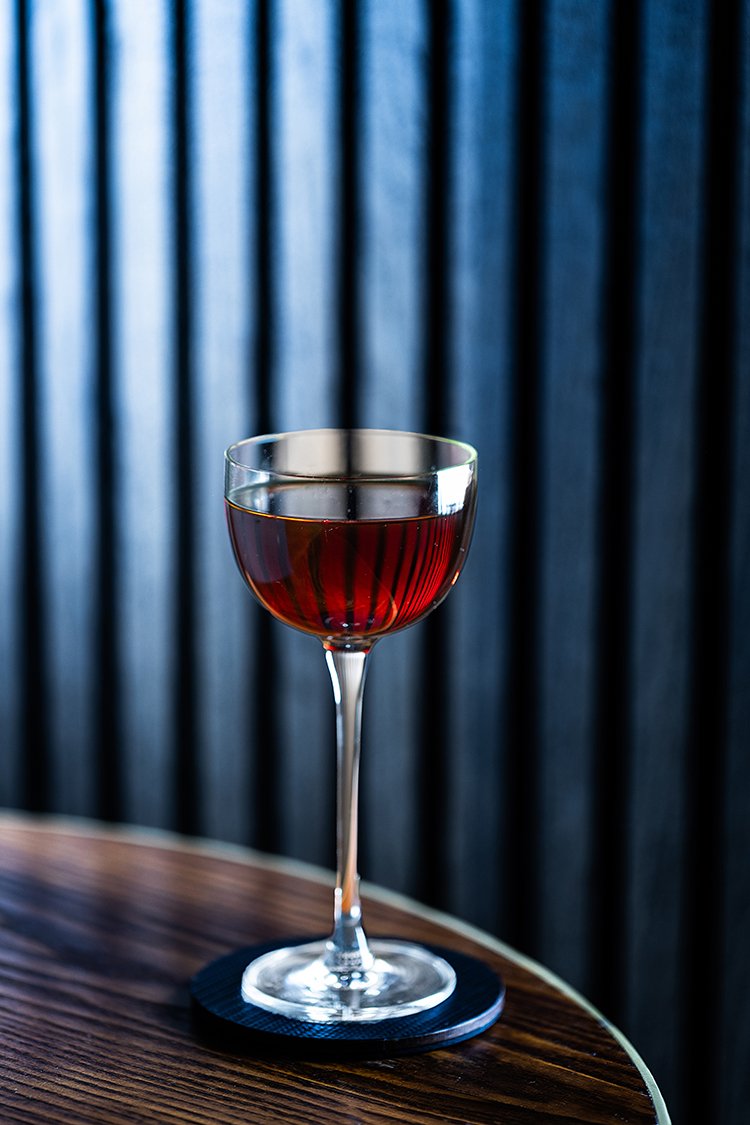
Looking at the behind-the-scenes photograph compared to the finished image, it's a great example of just how much you can transform a location through creative lighting.
You don't necessarily need an elaborate studio or an expensive backdrop. Sometimes all you need is a little imagination and an understanding of how to manipulate light.
Creating Variety Whilst Maintaining Consistency
For the remaining cocktails, I continued to use similar lighting techniques, adapting my approach depending on the colour, texture and glassware of each drink.
With some of the more transparent cocktails, the light passing through the liquid created beautiful colours and reflections across the wooden surfaces. With others, the emphasis was on capturing the texture of the foam, the bubbles or the condensation on the glass.
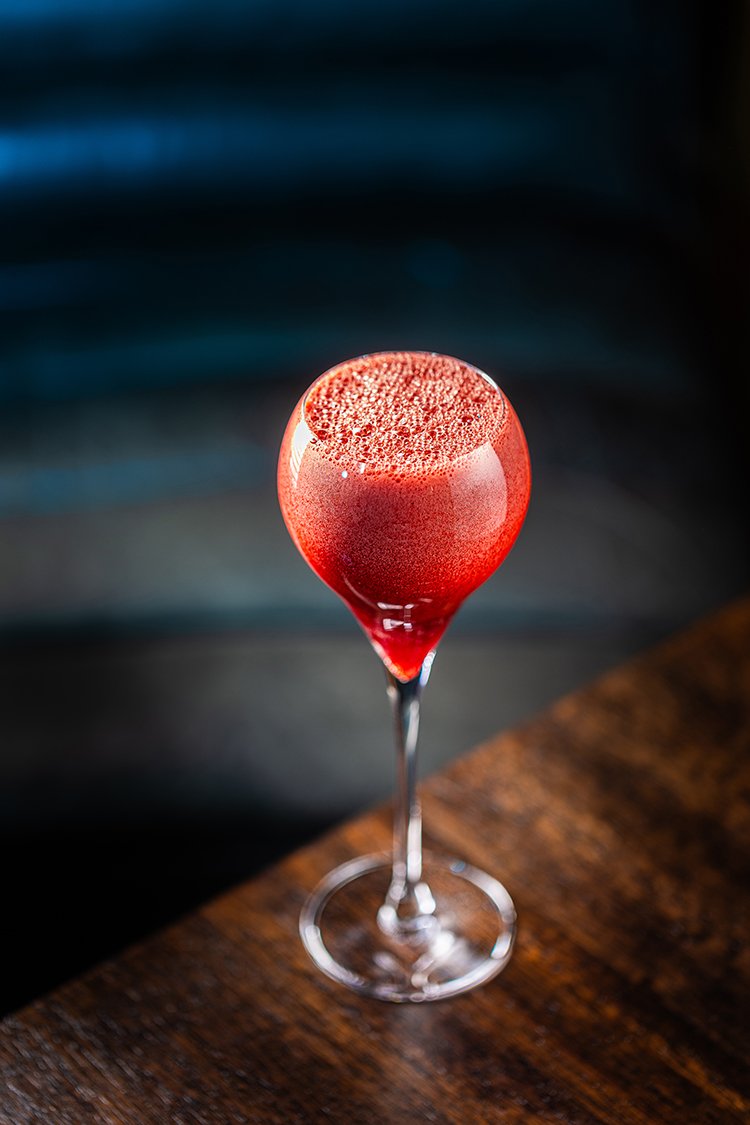
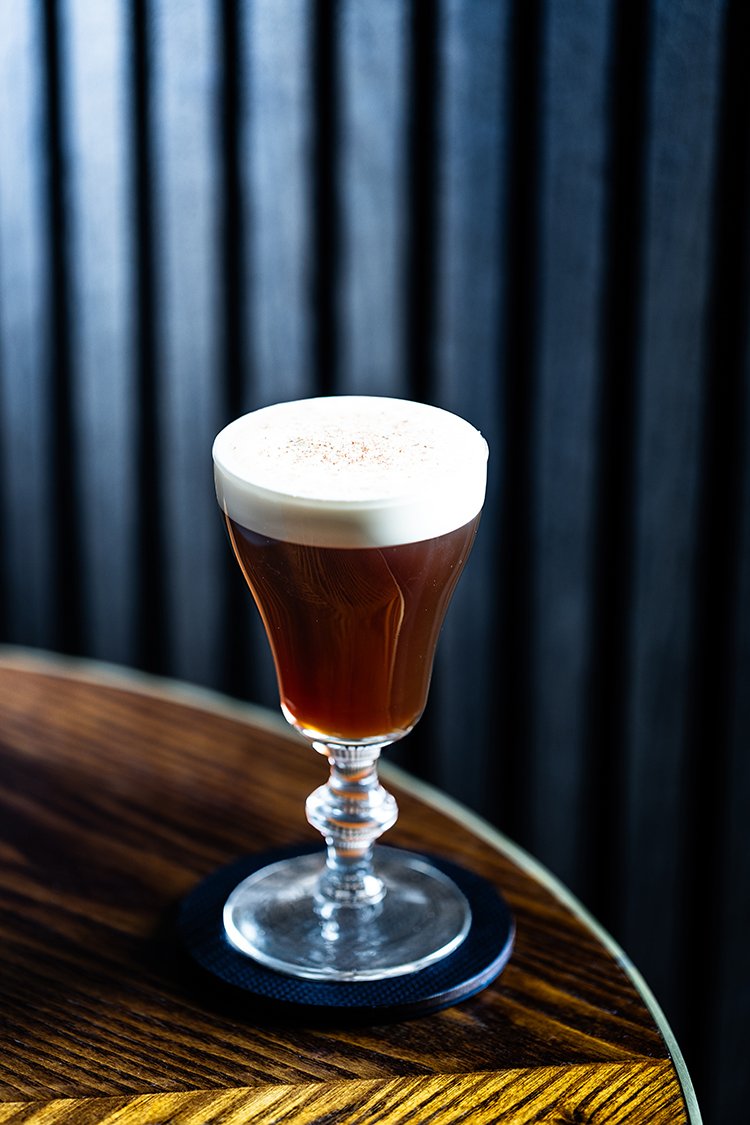
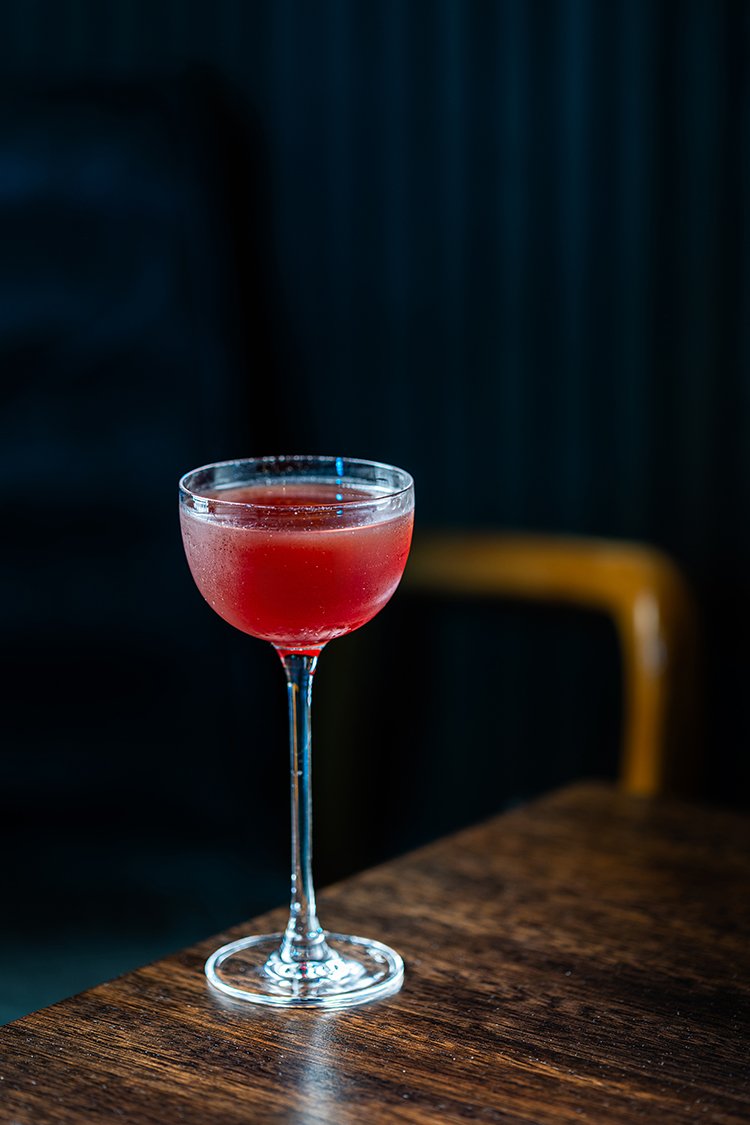
I alternated between warm, natural backgrounds and cooler blue tones, giving the collection variety whilst maintaining a consistent, premium feel throughout.
When photographing a drinks menu, I think it's important that each image has its own personality whilst still working as part of a wider collection.
Finishing the Shoot with Some Fine Dining Photography
Of course, no visit to Opheem would be complete without photographing some of the incredible food coming out of the kitchen.
To finish off the shoot, I photographed a small selection of dishes from the talented kitchen team.
In contrast to the darker, more atmospheric cocktail images, I wanted to take a much cleaner and more minimal approach to the food photography.
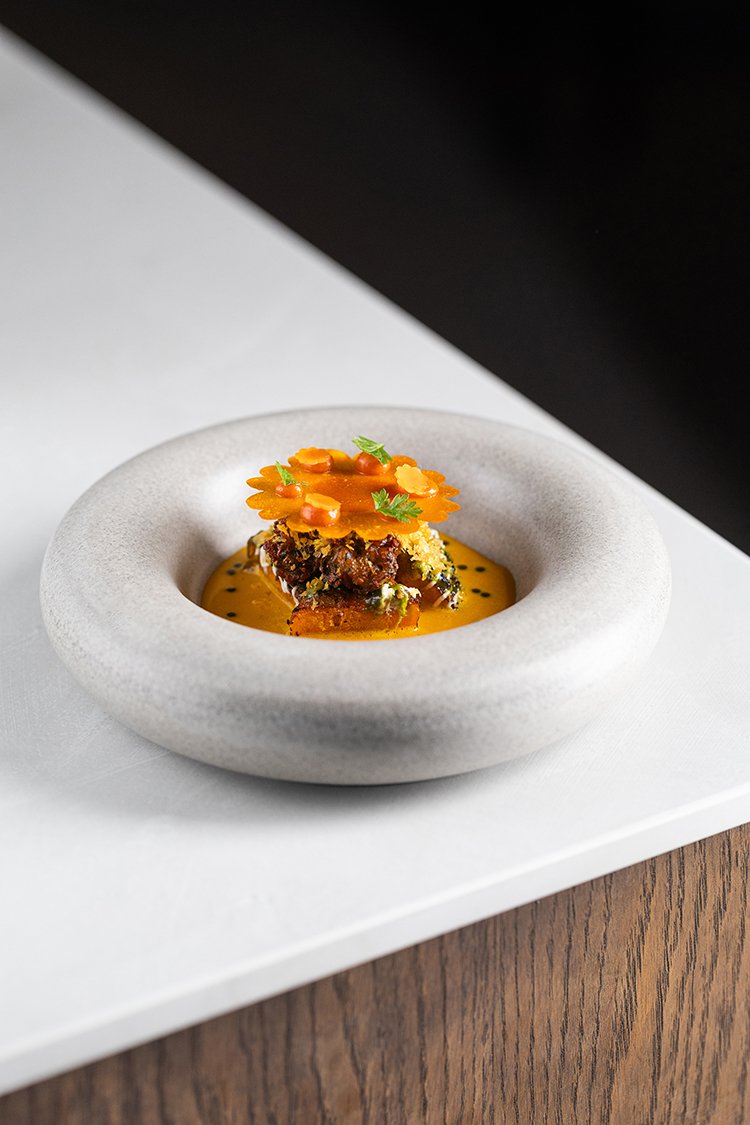
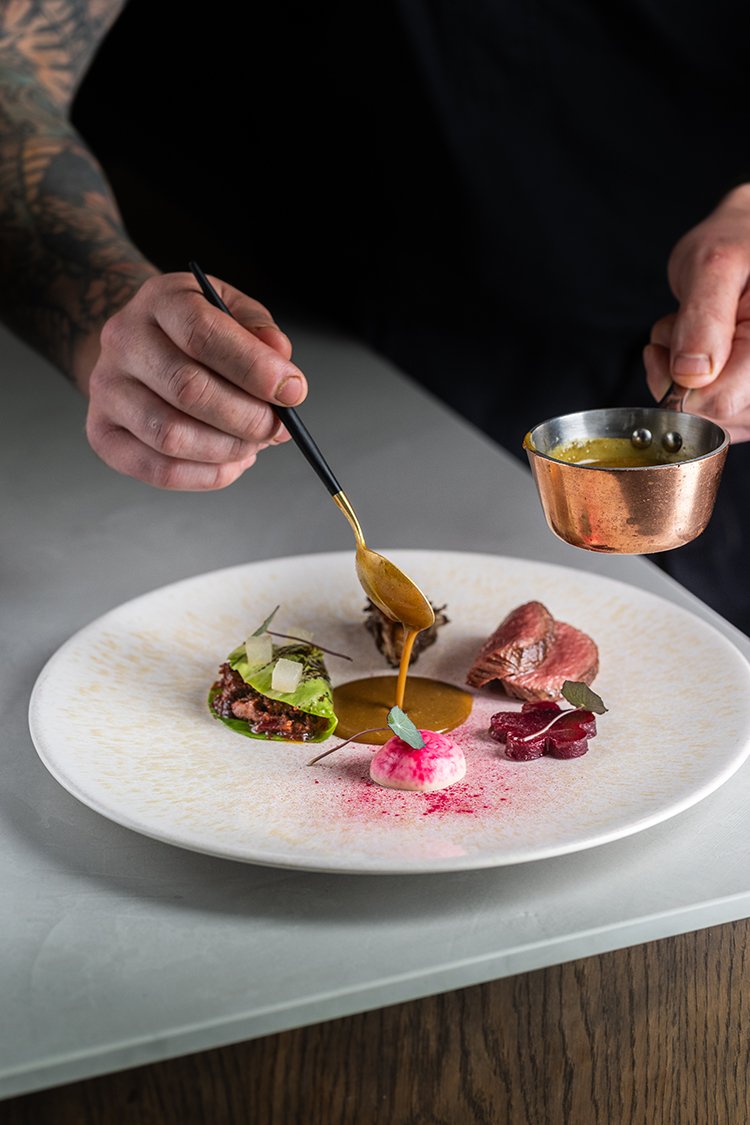
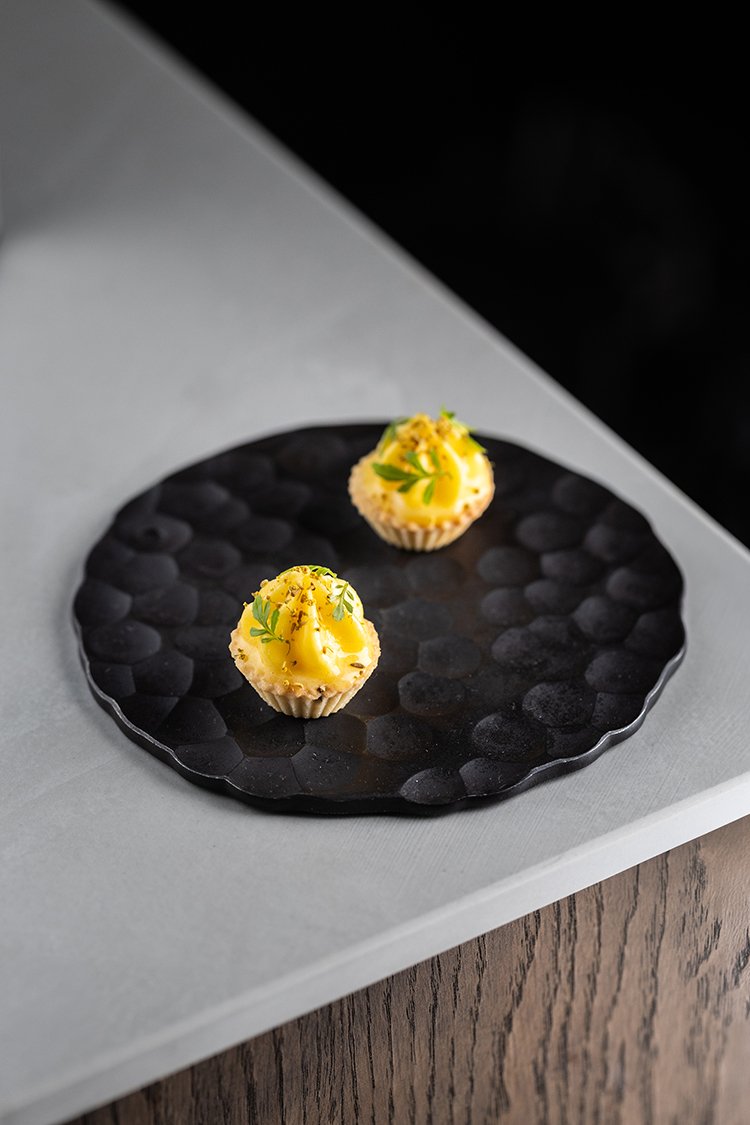
When photographing food of this standard, there's already so much creativity, colour, texture and attention to detail within the presentation that there's no need to overcomplicate the photograph.
I kept the compositions simple, using the clean lines of the worktop, neutral surroundings and soft, directional lighting to allow the food to become the main focus of each image.
I also like to capture some of the finishing touches being added to the dishes. Including the chef's hands and the movement of the sauce being poured adds another dimension to the collection.
These images help tell the story behind the food, showcasing the craftsmanship, skill and precision that goes into each plate.
Being able to switch between dramatic, atmospheric drinks photography and clean, contemporary food photography within the same shoot is something I particularly enjoy.
Ultimately, it's about adapting my photographic style to suit the subject rather than trying to make every image look the same.
Understanding Light in Commercial Photography
One of the things I often say about photography is that it's not necessarily about how many lights you use, but how you use them.
Every light should have a purpose, whether it's creating atmosphere, revealing texture, separating a subject from its background or simply adding a little detail to a shadow.
Sometimes a small reflector or a subtle pop of flash is all that's needed to take an image from good to great.
That's what I particularly enjoy about commercial food and drinks photography. Every subject presents a slightly different challenge, and finding creative solutions is a huge part of the process.
Professional Food and Drinks Photographer in Birmingham
As a professional commercial photographer based in the West Midlands, I work with restaurants, hotels, bars and hospitality brands to create distinctive imagery for websites, menus, social media, advertising and marketing campaigns.
With nearly 20 years of professional photography experience, my approach combines technical lighting knowledge with creativity, producing images that not only showcase a product but also reflect the personality and quality of the brand behind it.
Whether you're launching a new cocktail menu, introducing seasonal dishes or looking to build a library of professional imagery for your hospitality business, I'd love to hear from you.
Looking for a professional food and drinks photographer in Birmingham, the West Midlands or across the UK?