Why Great Hospitality Photography Is About More Than the Food.
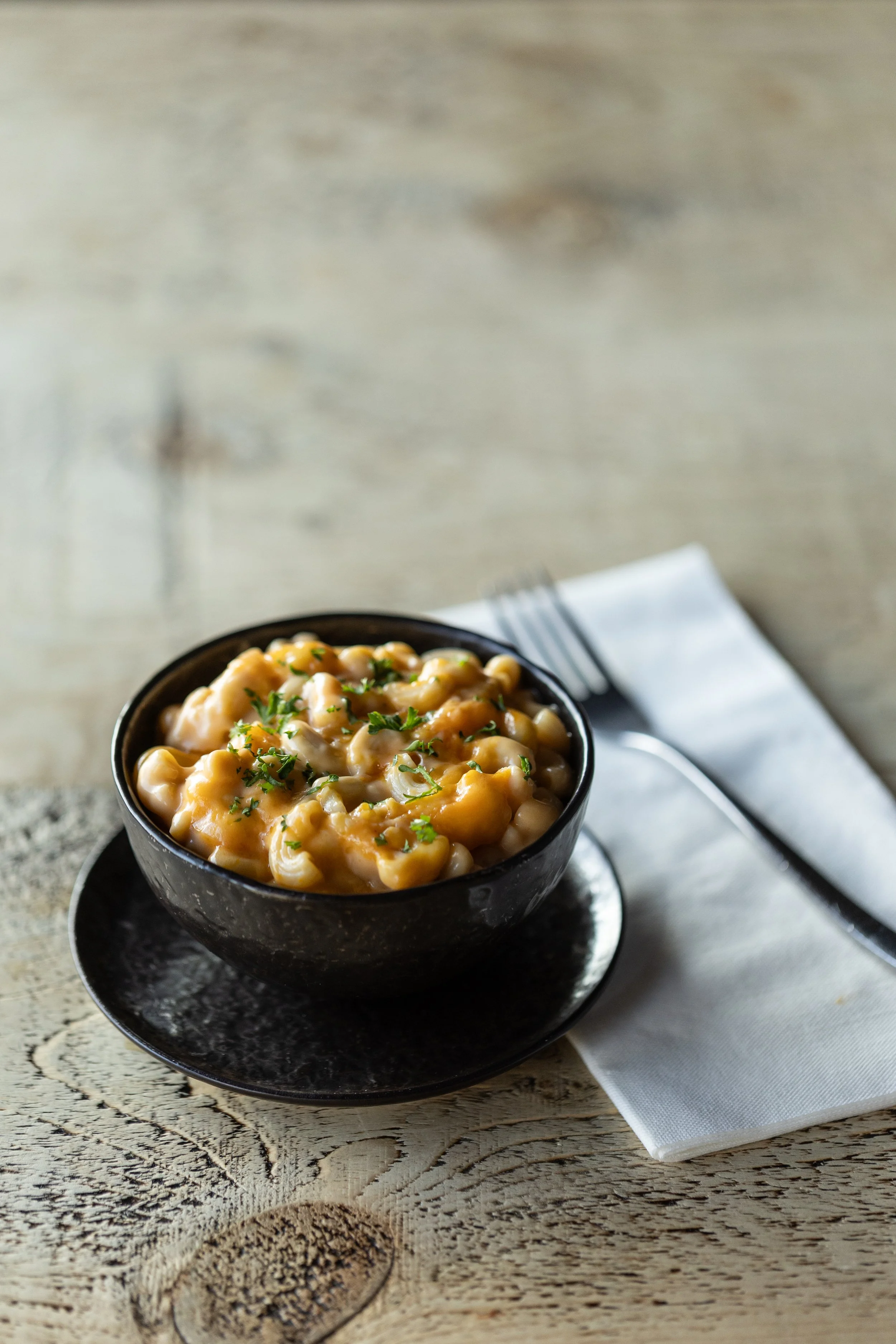
When people think about hospitality photography, food is often the first thing that comes to mind. Beautifully presented dishes, great lighting and images that make you want to book a table or order something immediately.
But a successful hospitality shoot can — and should — do much more than that.
A recent shoot for West Midlands Safari Park was a perfect example.
A Shoot That Grew From the Original Brief
The original brief was pretty straightforward. I was asked to photograph a selection of food on a clean white background for use on West Midlands Safari Park’s digital menus.
For this initial part of the shoot, I worked alongside the very talented Sarah Loveday of Sarah Loveday Studio, who handled the food styling and made sure every dish looked its best in front of the camera.
Even with something as seemingly simple as photographing food against a white background, styling makes a huge difference. There’s nowhere for imperfections to hide, so presentation, positioning and all those little details really matter.
Once we started shooting and the team saw the results, the brief quickly grew.
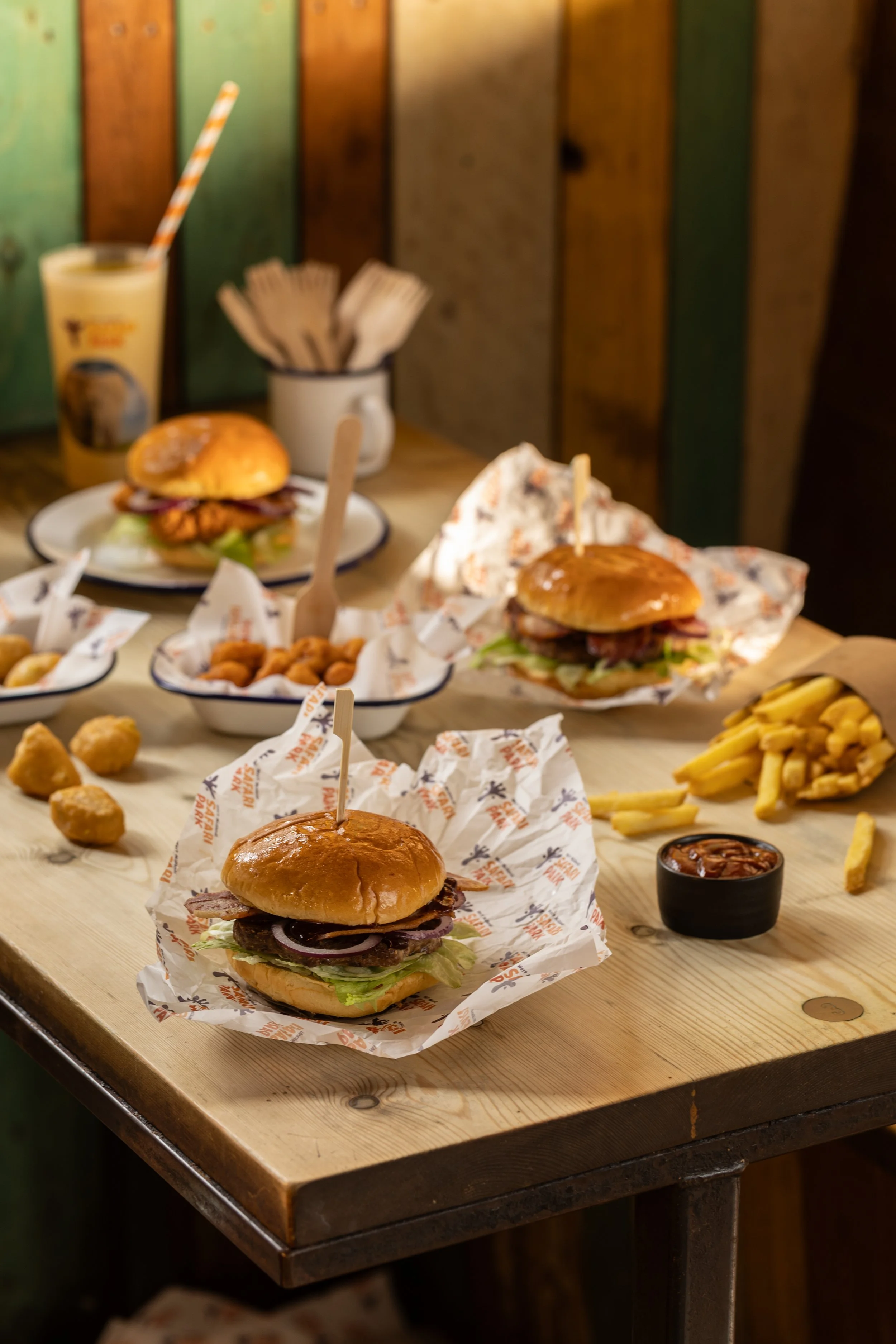
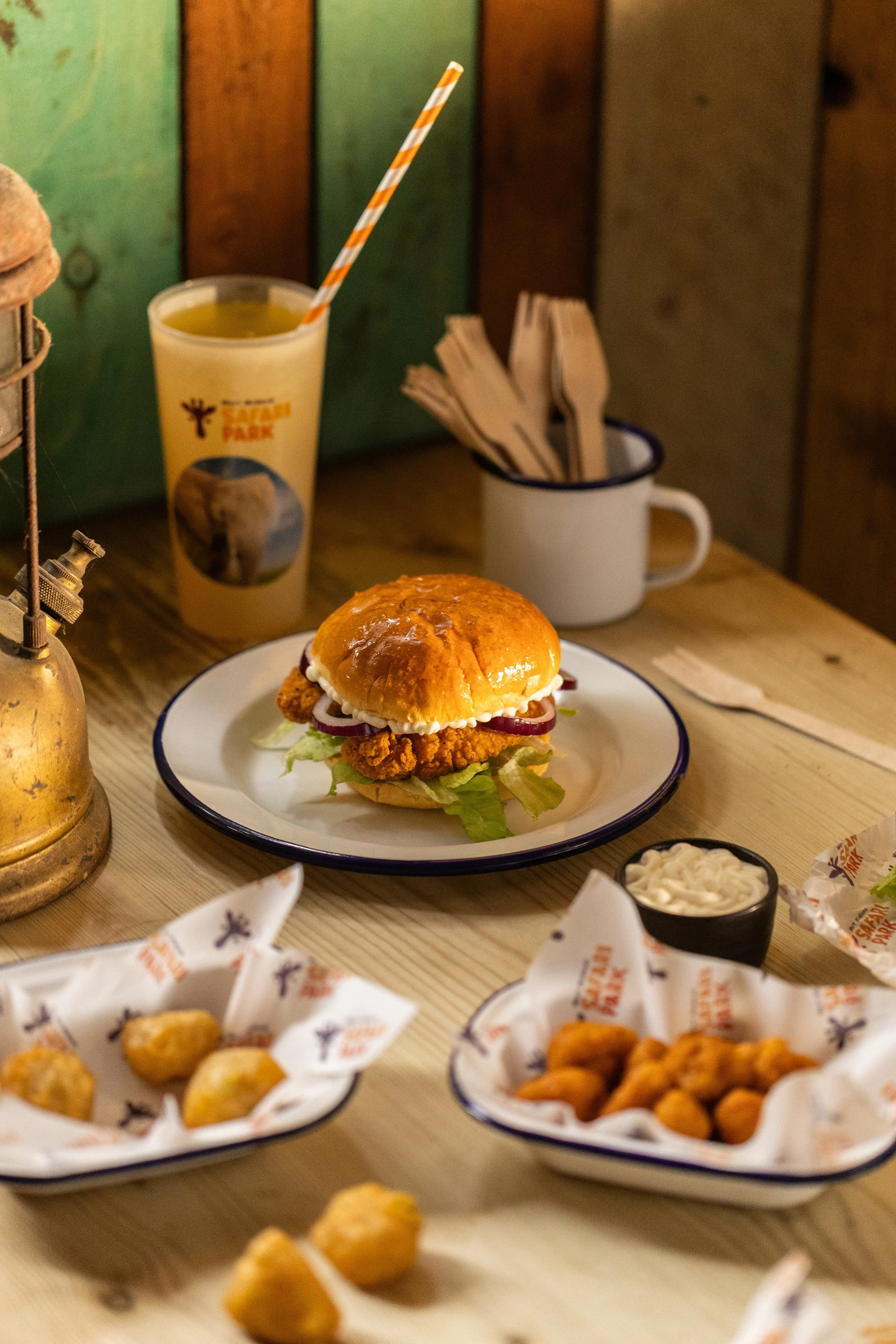
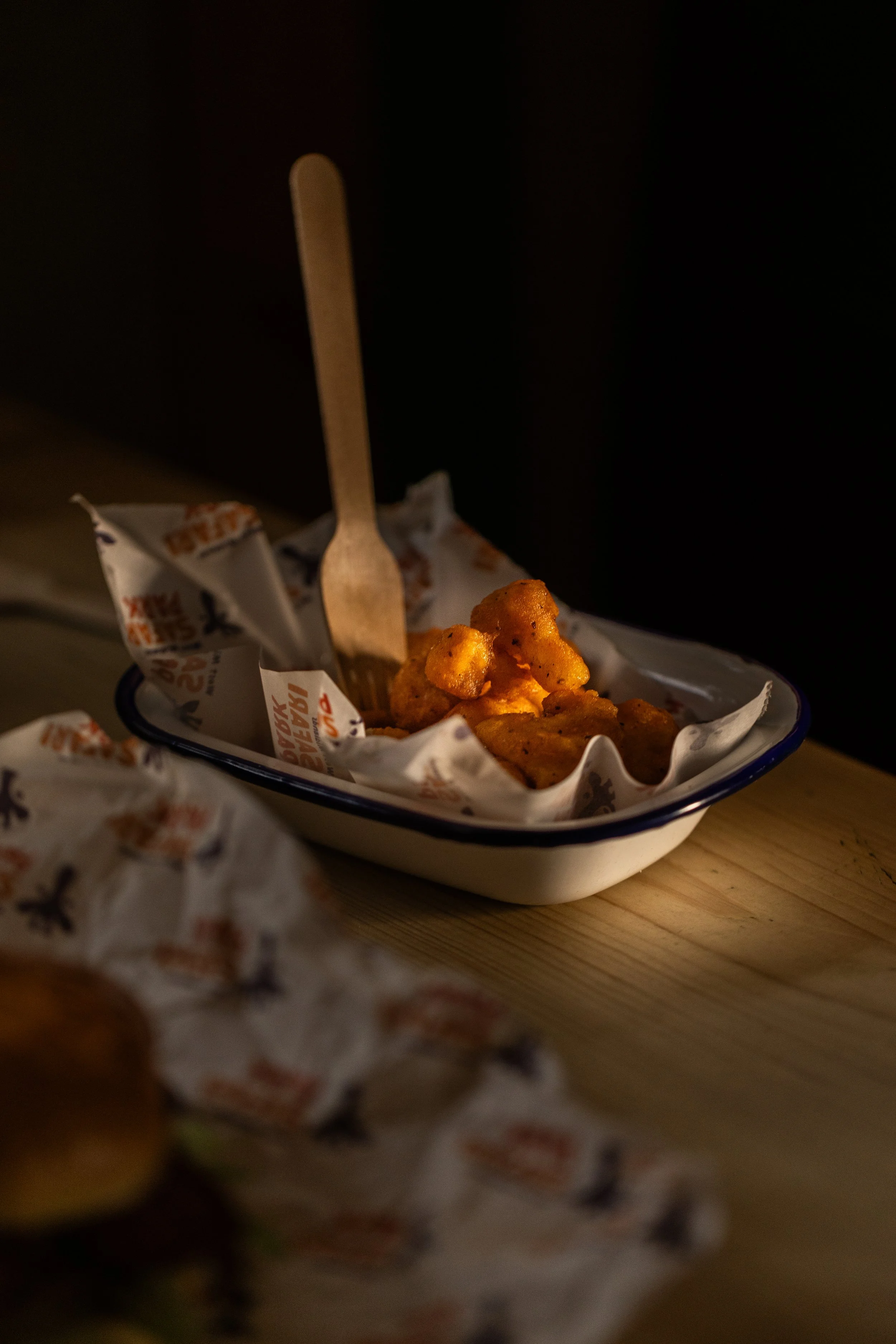
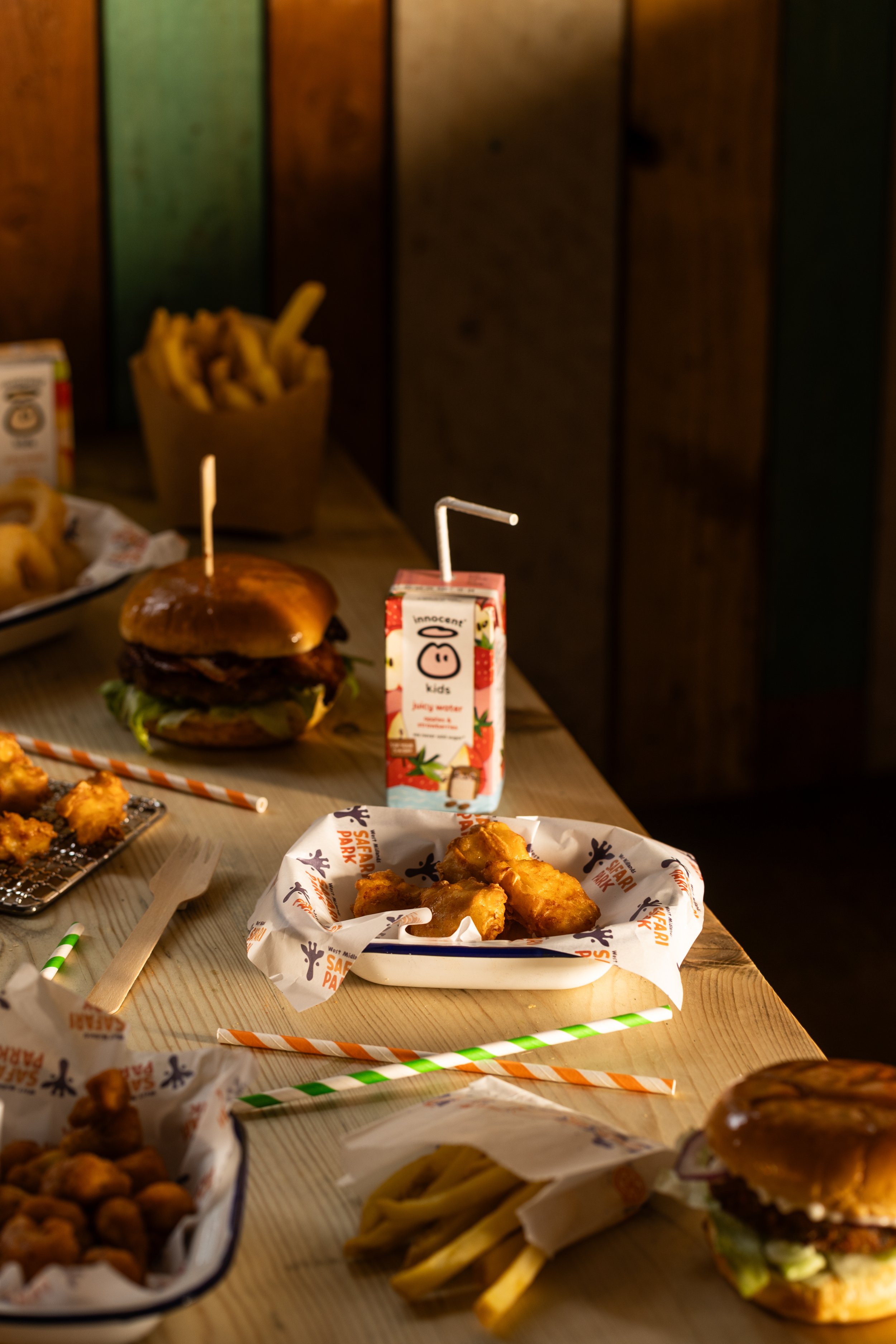
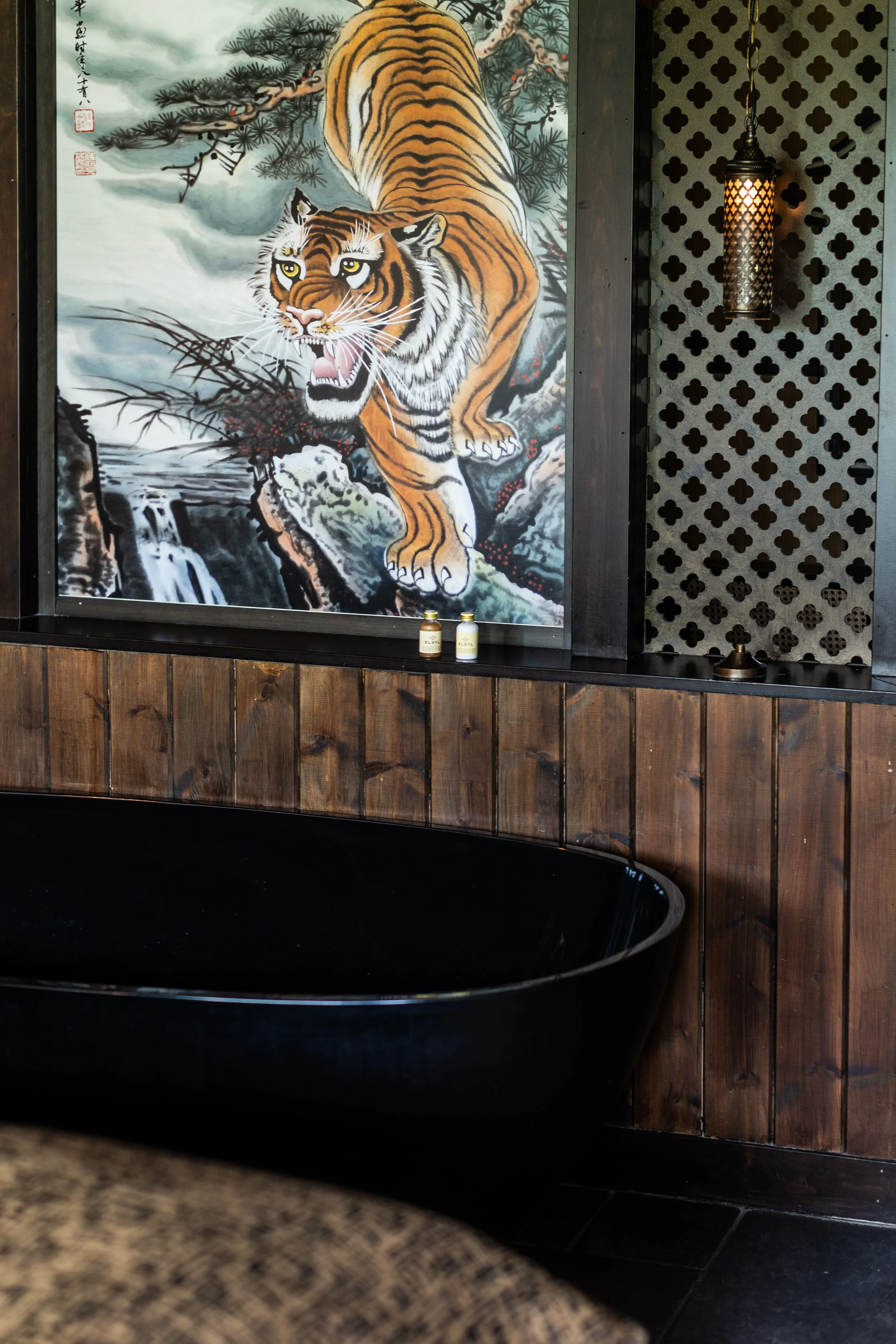
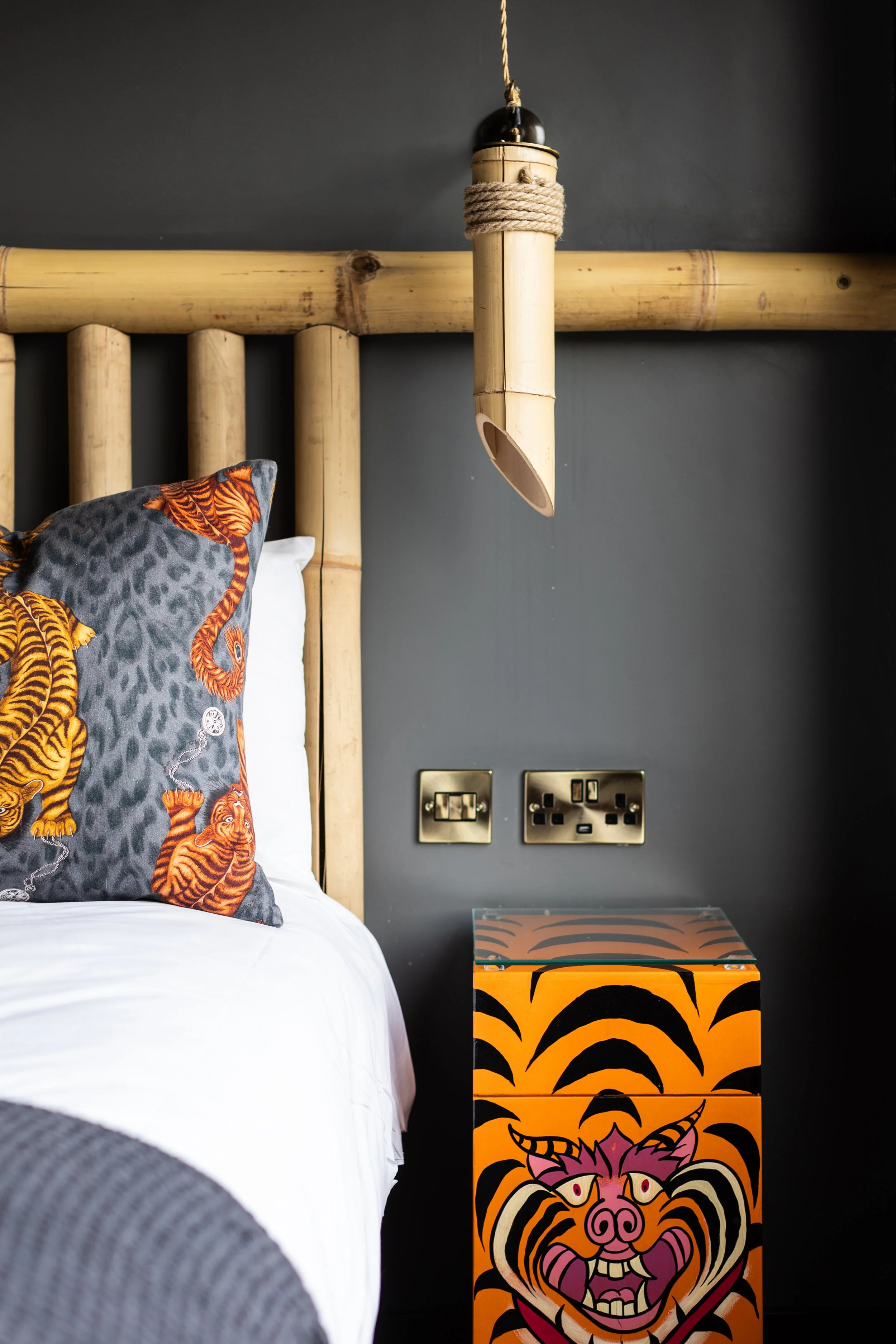
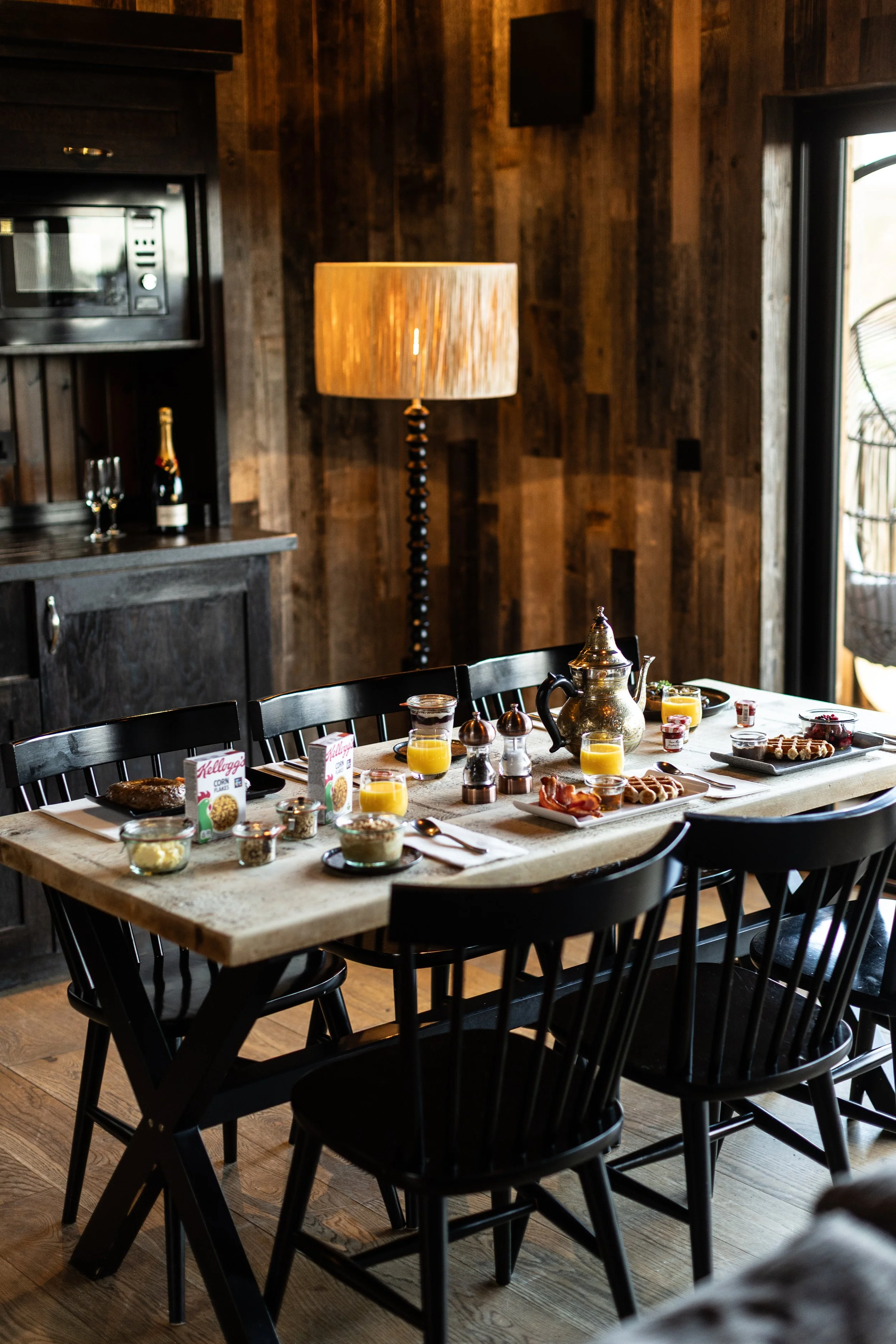
Alongside the clean menu photography, we were asked to create a much broader collection of imagery covering styled food, lifestyle, interiors and accommodation.
What started as a relatively straightforward menu shoot developed into a complete library of hospitality imagery.
Showing the Experience, Not Just the Product
This is something I think is particularly important with hospitality photography.
You’re rarely just selling a burger, a hotel room or a restaurant table.
You’re selling the experience of being there.
That’s why I like to create plenty of variety during a hospitality shoot.
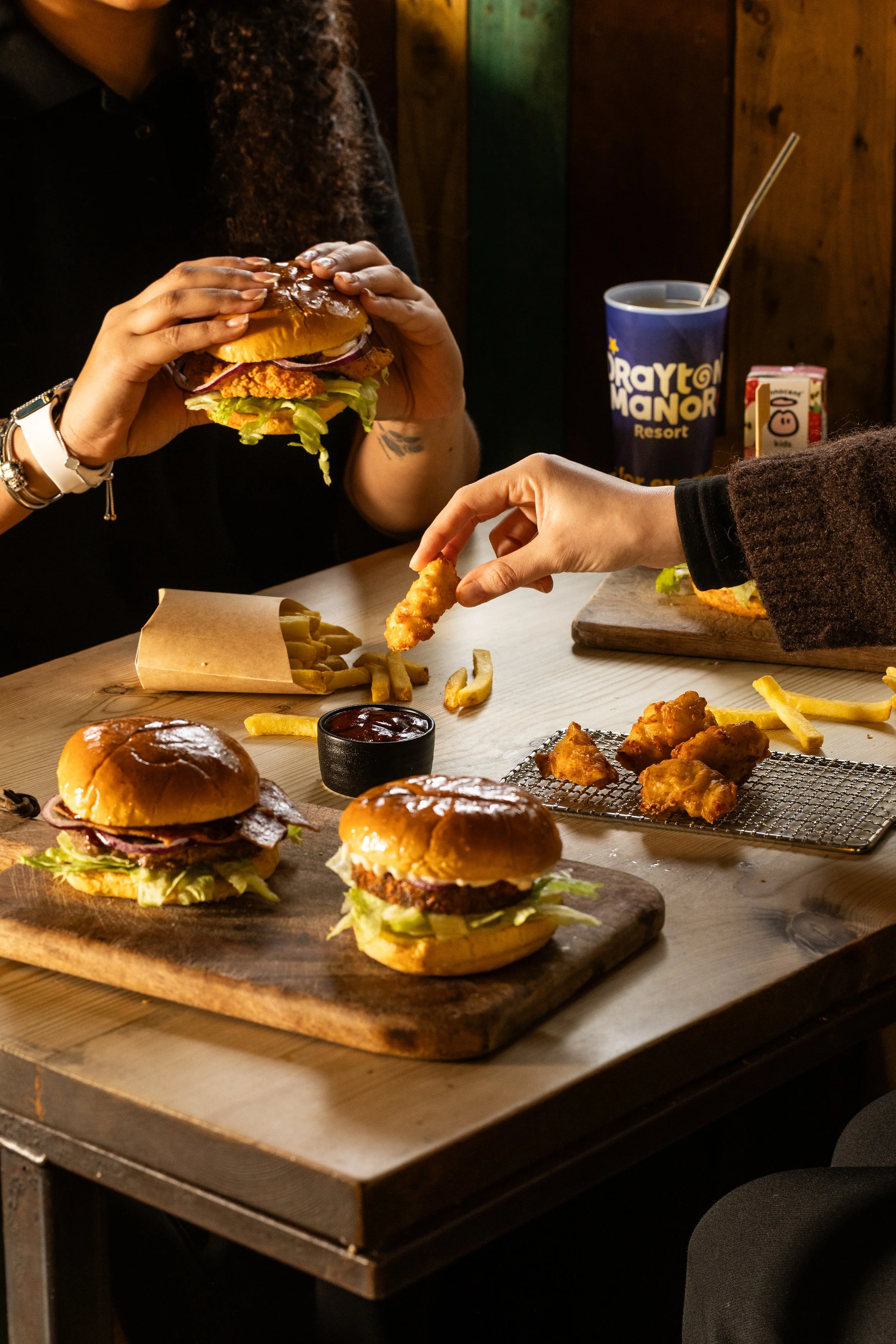
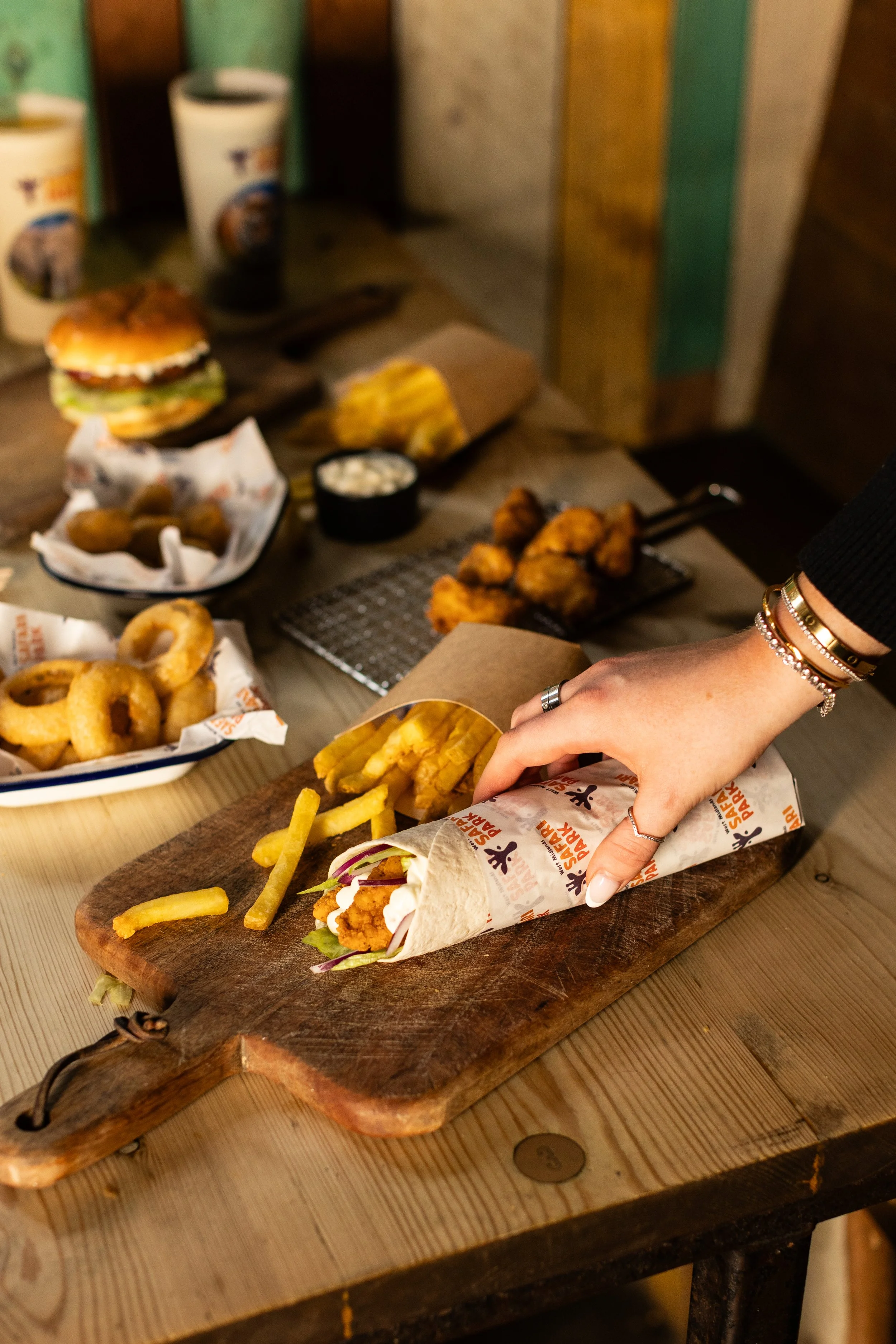
Alongside the more traditional food photographs, we created images showing people actually interacting with the food — hands reaching across the table, picking up a burger or grabbing something to eat.
Suddenly the photographs feel more natural and alive. Instead of simply showing the customer what the food looks like, you’re helping them imagine themselves sitting there enjoying it.
Food Styling and Photography Working Together
Having Sarah involved from the very beginning of the shoot was a huge advantage.
While I concentrated on the lighting, composition and photography, Sarah could concentrate on making sure the food, props and overall styling were working perfectly in front of the camera.
As the shoot expanded, that collaboration continued into the more creative images. We could introduce different surfaces, props, backgrounds and environments while maintaining a consistent feel throughout the photography.
It meant we weren’t simply creating a collection of individual photographs — we were creating images that worked together.
Looking Beyond the Food
The shoot eventually took us beyond food photography altogether.
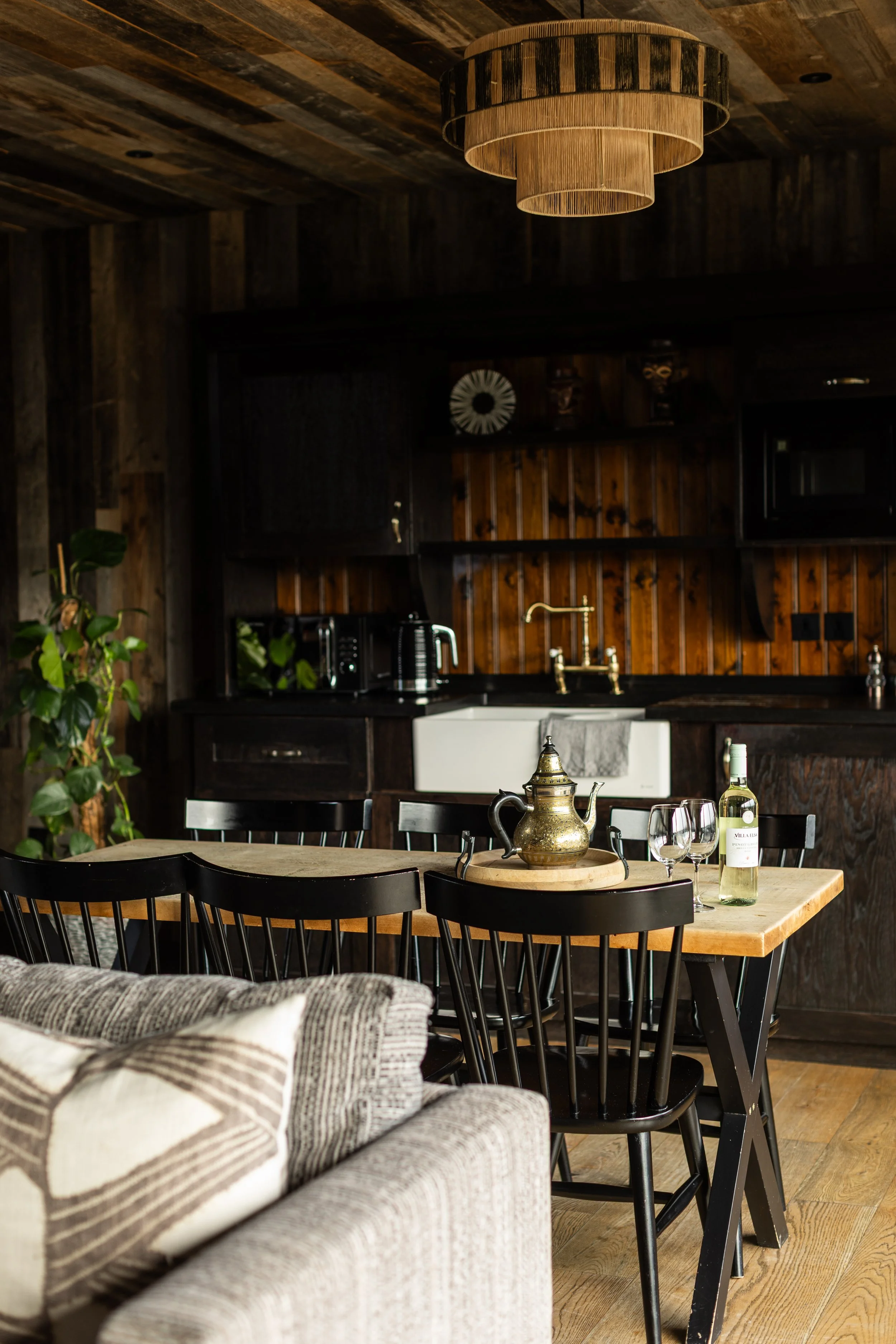
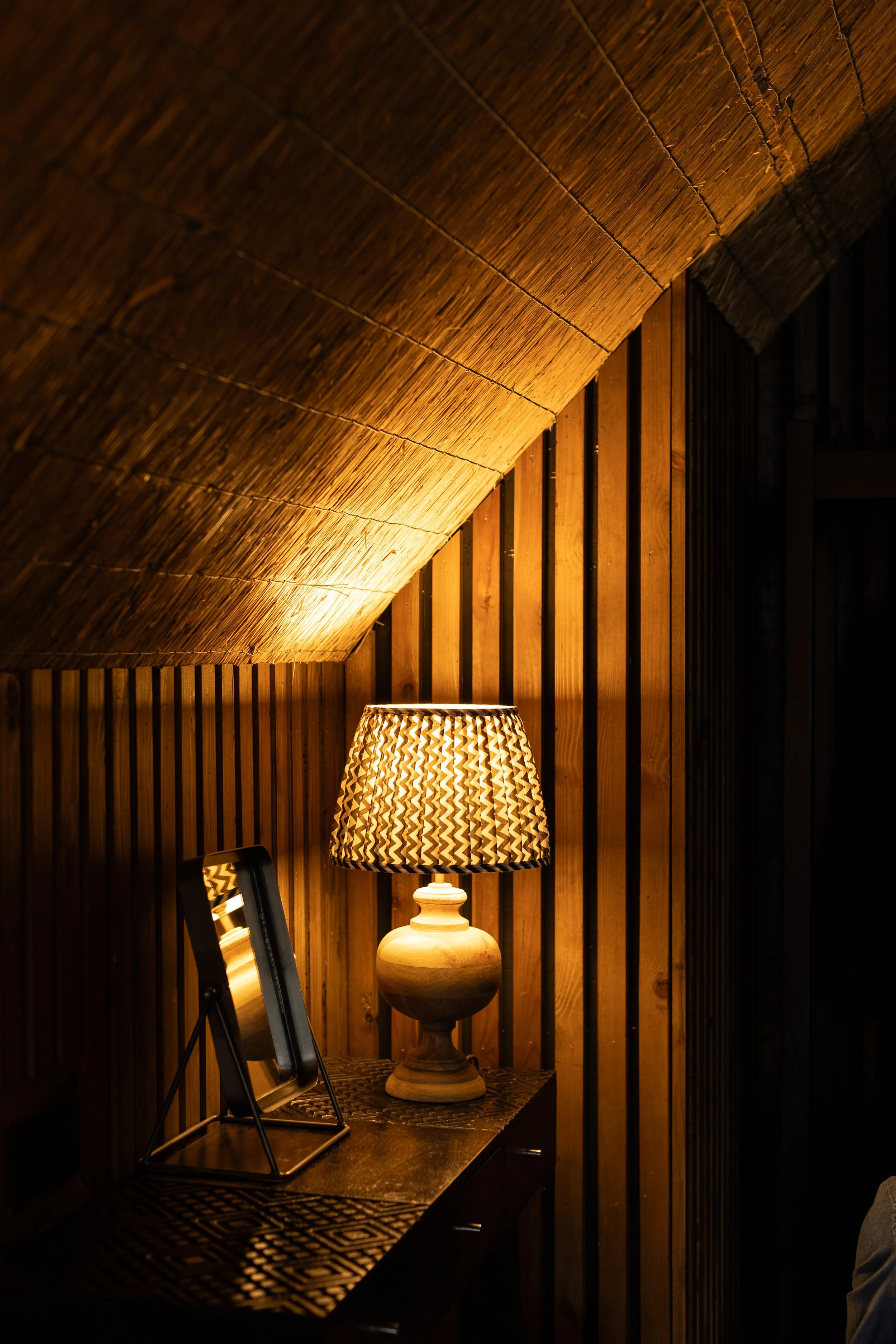
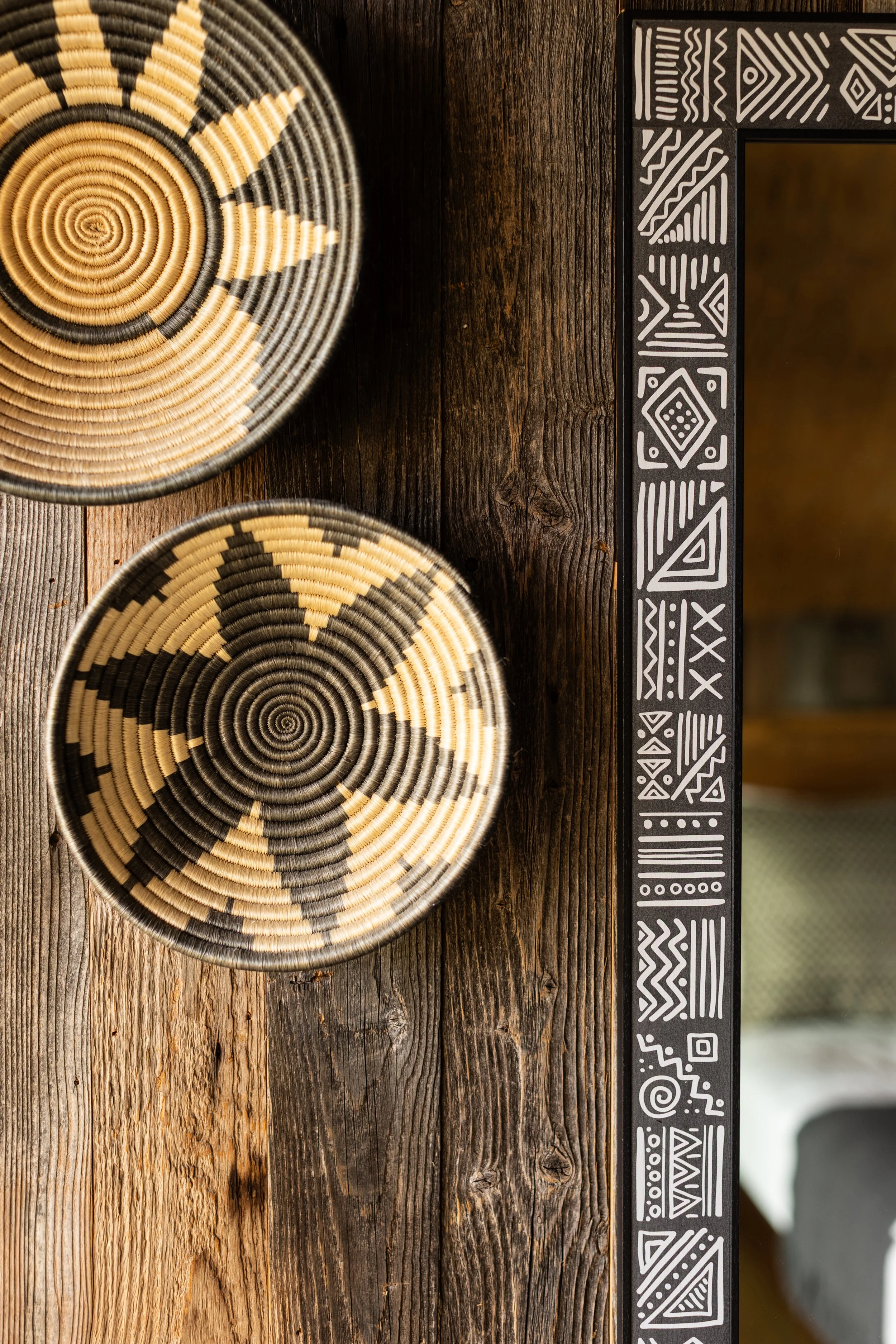
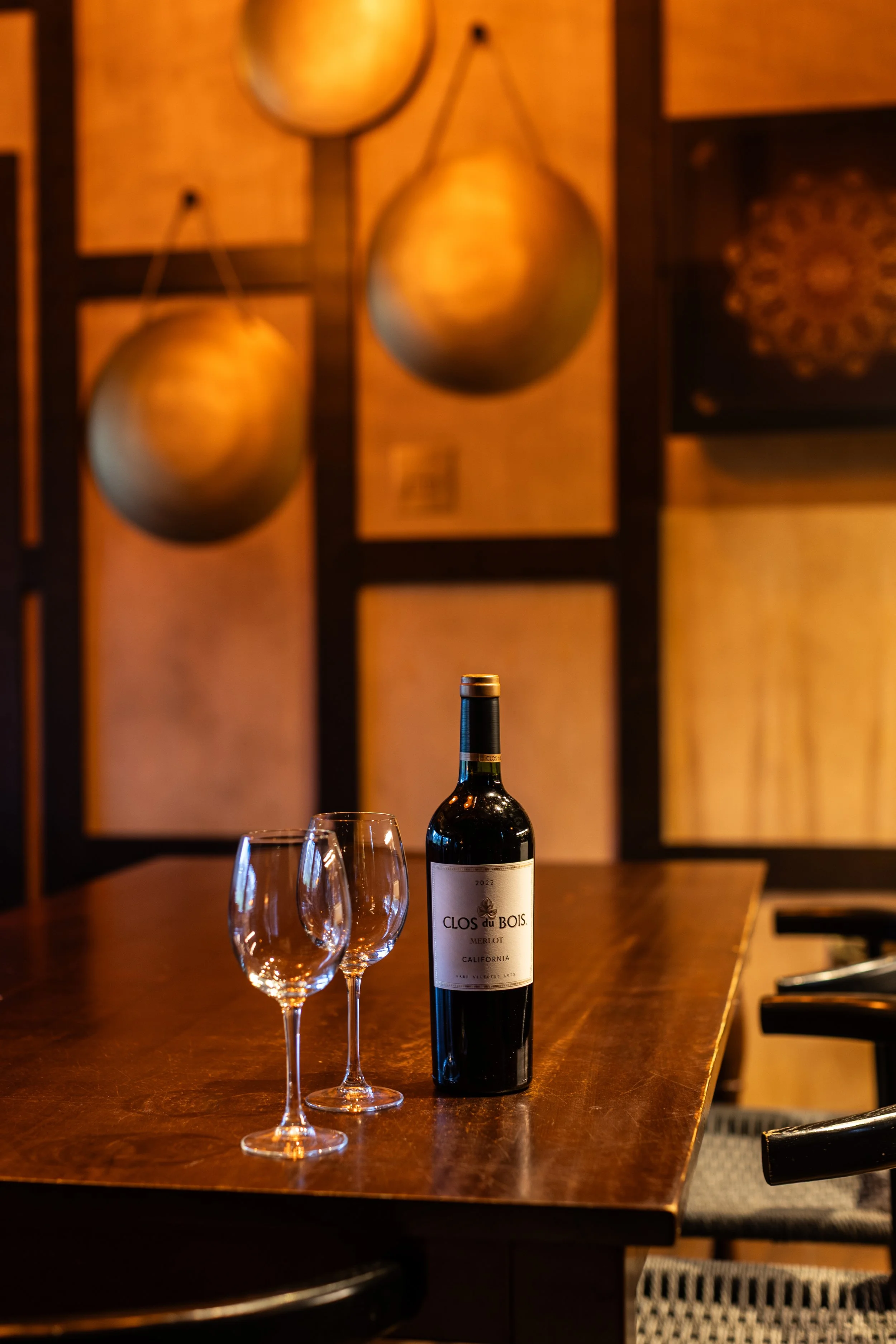
We also photographed the interiors, accommodation and some of the smaller details around the Safari Park.
For a hospitality business, these images are just as important as the food.
A potential customer wants to see where they’ll be staying, what the surroundings are like and the overall atmosphere they can expect when they arrive.
Combining food, lifestyle, interiors and detail photography allows you to tell that whole story.
One Shoot, Lots of Marketing Content
For hospitality businesses, having this kind of variety can be incredibly useful.
A well-planned commercial photography shoot can create content for your website, social media, digital menus, advertising, brochures, PR and future marketing campaigns.
You can come away with everything from clean product photographs and hero food images to lifestyle shots, interiors and smaller details.
Most importantly, everything has the same visual style.
That consistency helps create a much stronger and more professional brand.
Hospitality Photography That Tells the Whole Story
The West Midlands Safari Park shoot is a great example of why I enjoy working collaboratively.
Having Sarah involved with the food styling from the very first white-background menu shots, and then continuing that collaboration as the shoot expanded, helped us maintain a consistent quality and visual style throughout the entire collection.
What started as a relatively simple digital-menu photography job ended up becoming a much broader hospitality shoot — and that’s one of the things I love about commercial photography.
Sometimes the best thing you can ask during a shoot is:
What else could we create while we’re here?
Because great hospitality photography isn’t simply about showing people what you sell.
It’s about showing them what it feels like to experience it.