Why Hospitality Photography Should Create an Image Library – Not Just Great Photos.
When photographing a hotel or restaurant, getting that one standout image is always great.
The beautifully plated dish. The perfect table. The photograph that immediately grabs your attention.
But for a hospitality marketing team, one great photograph isn't really enough.
This was definitely the case on a recent shoot at Brockencote Hall in Worcestershire, which has recently rebranded and opened its new restaurant, Malvern.
Working alongside the Eden Hotel Collection marketing team and Head Chef Tim, the idea wasn't simply to photograph a few new dishes. With a new restaurant and a fresh identity to promote, we wanted to create a much bigger collection of images they could use across their marketing.
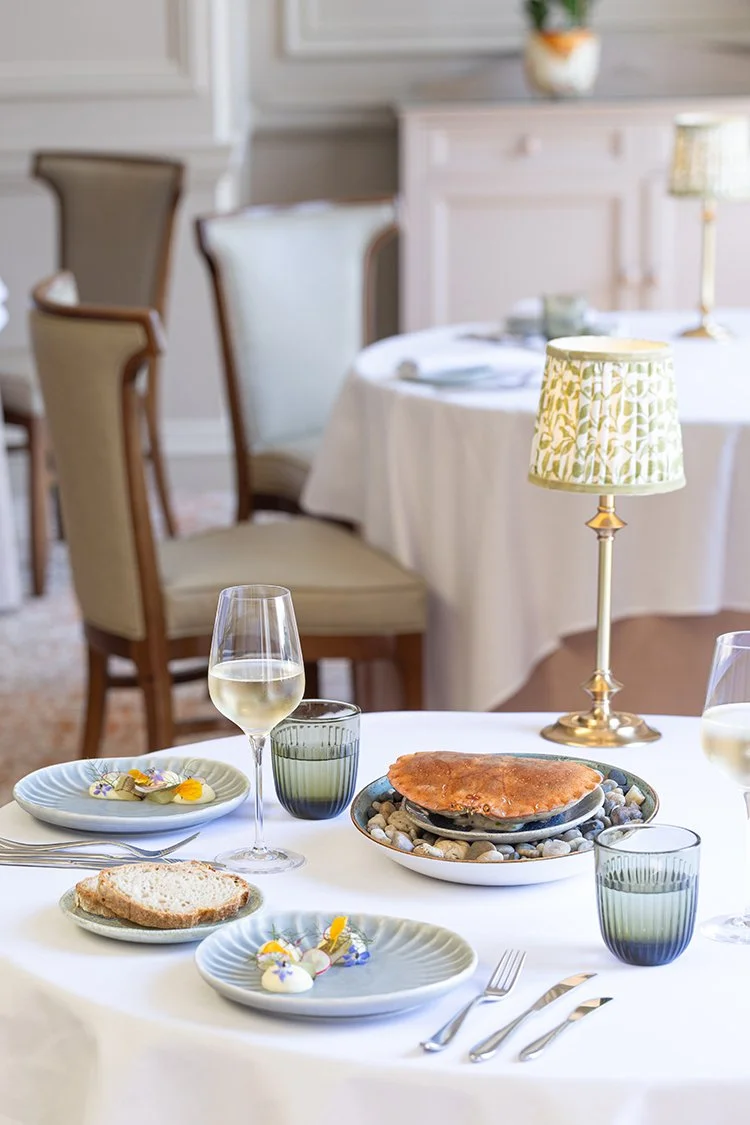
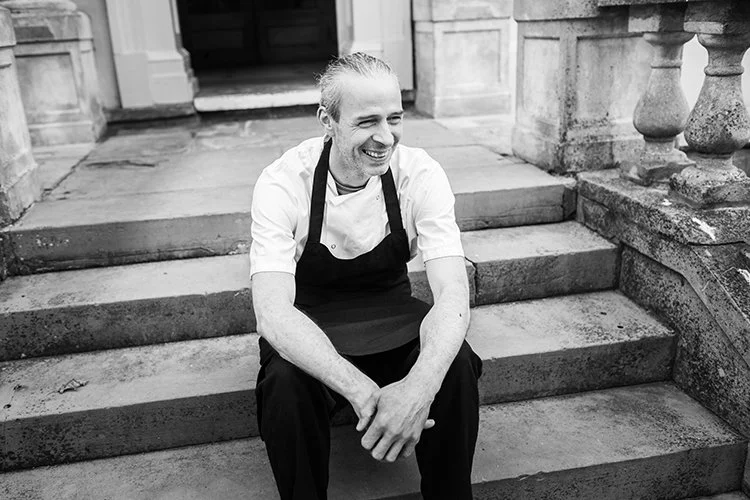
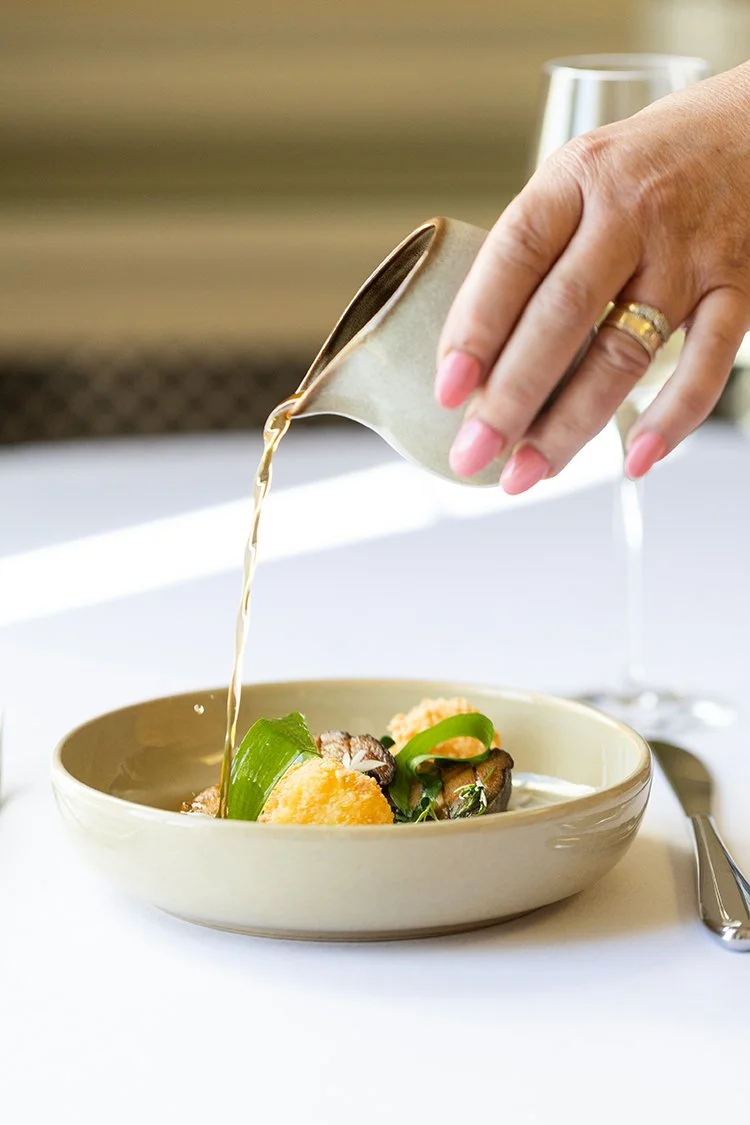
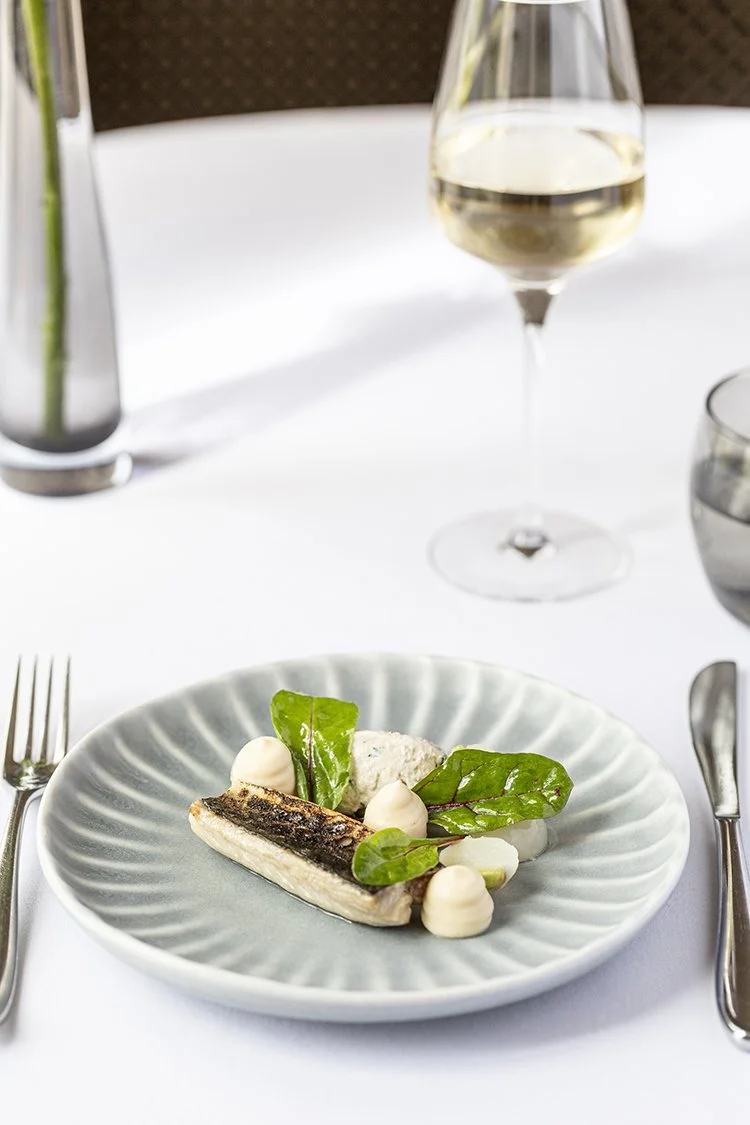
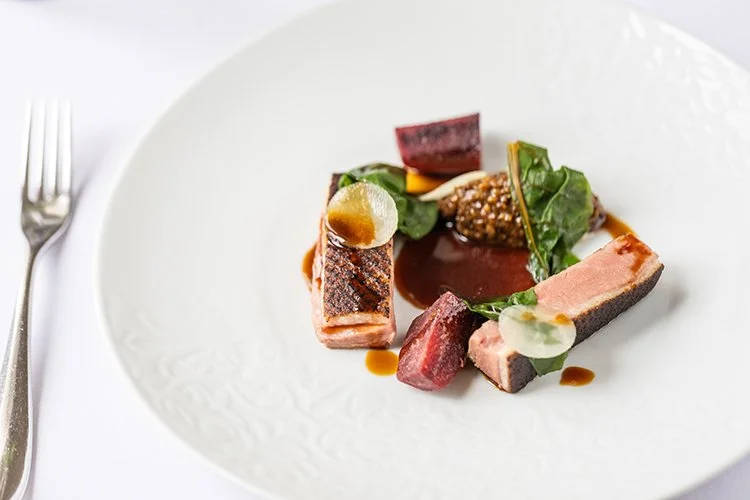
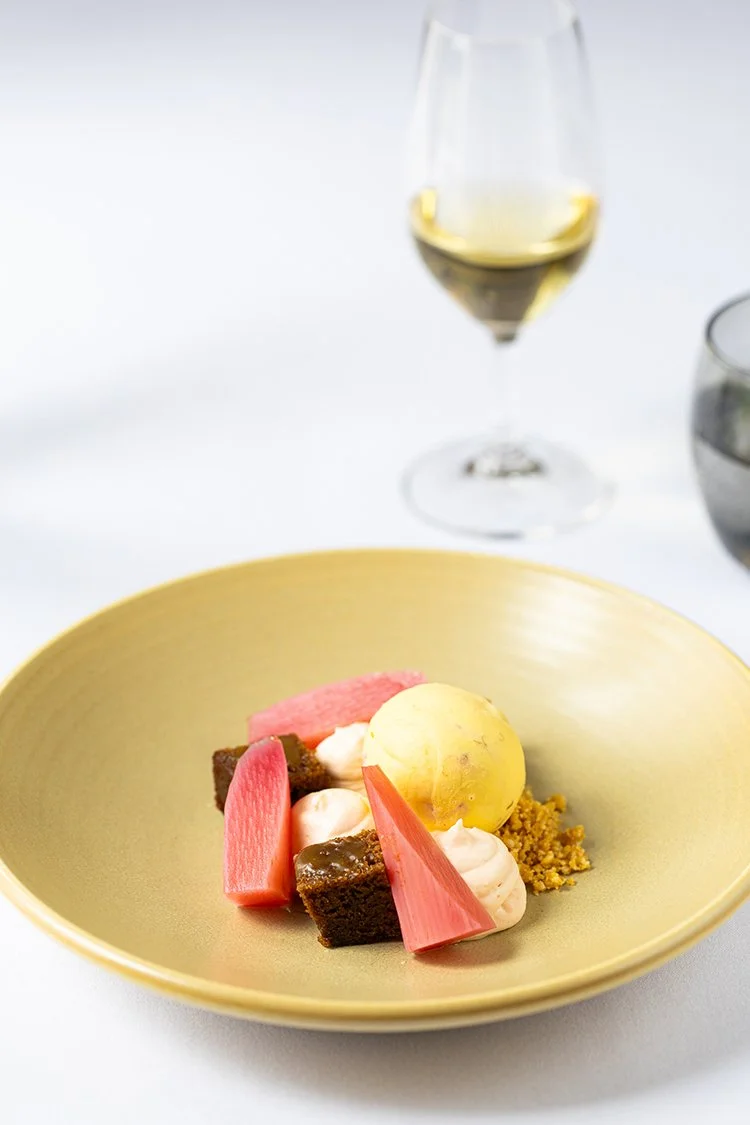
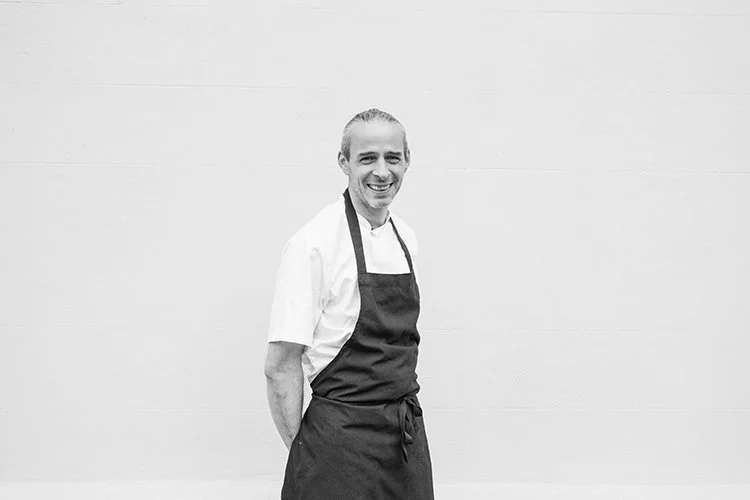
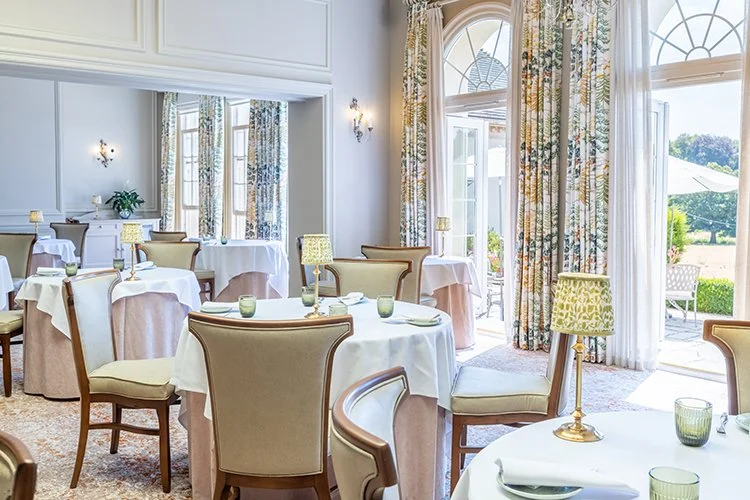
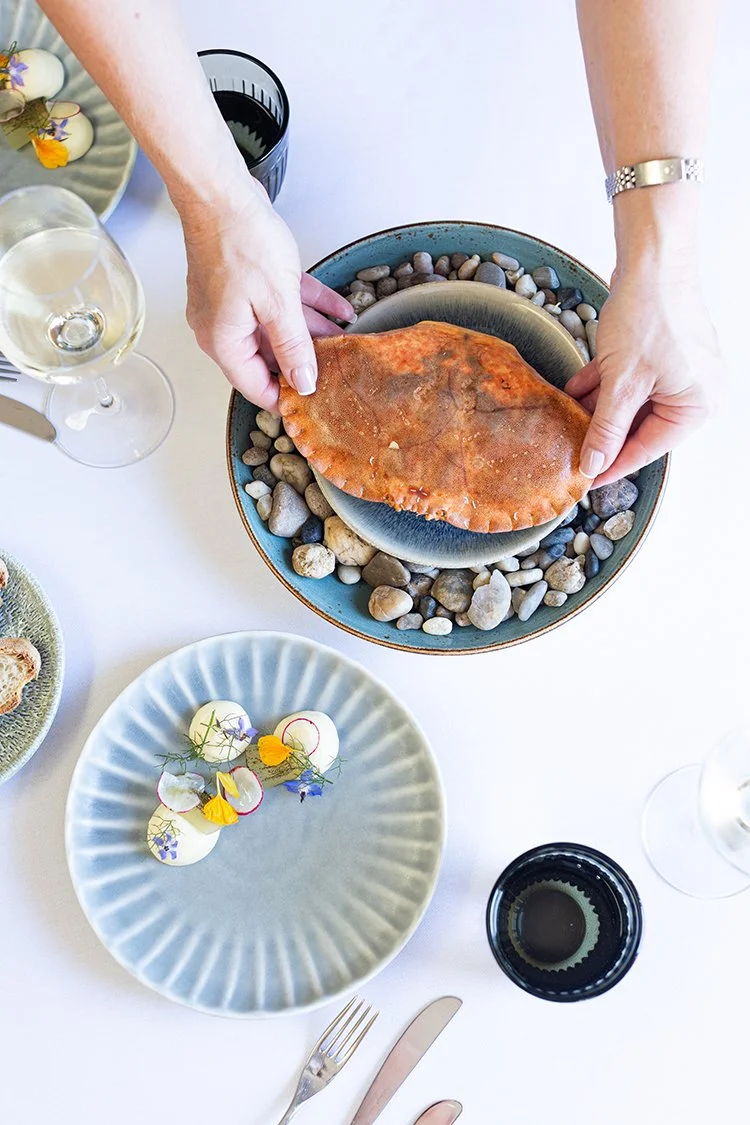
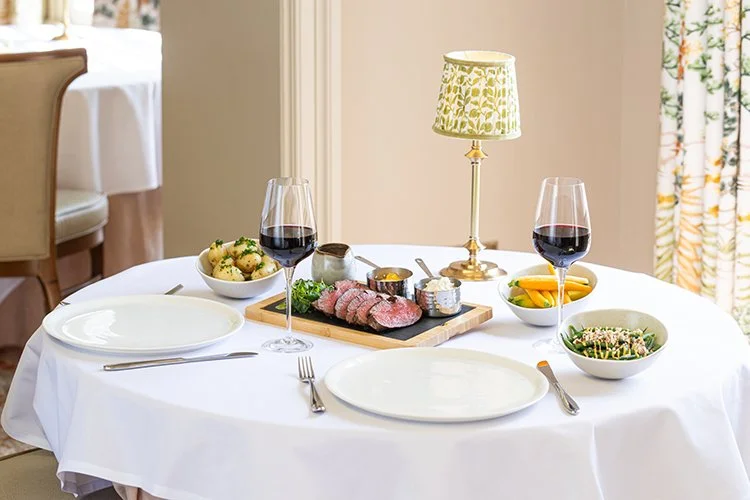
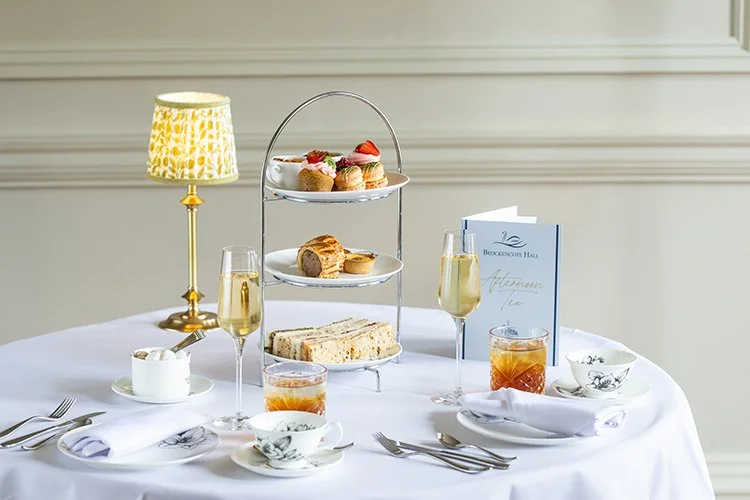
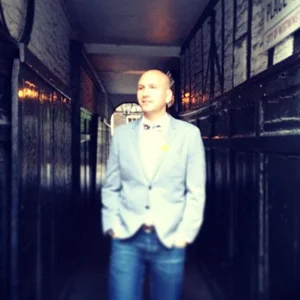
Obviously, the food was a big part of the day, but we also photographed the restaurant, table settings, details, wine, afternoon tea, hands interacting with the dishes and some relaxed portraits of Tim.
Rather than just coming away with a set of food photographs, we created a proper image library.
Thinking Beyond the Hero Image
When a restaurant launches or a hotel goes through a rebrand, suddenly there's a lot of new content needed.
There's the website, social media, PR, menus, brochures, email campaigns, advertising and probably a few things nobody has even thought of yet!
And they don't all need the same photograph.
That's why when I'm shooting hospitality, I'm not only thinking:
"What do we need to photograph?"
I'm also thinking:
"Where could this photograph be used?"
That can make quite a difference to how I shoot.
Different Images Have Different Jobs
Not every photograph needs to be the big hero shot.
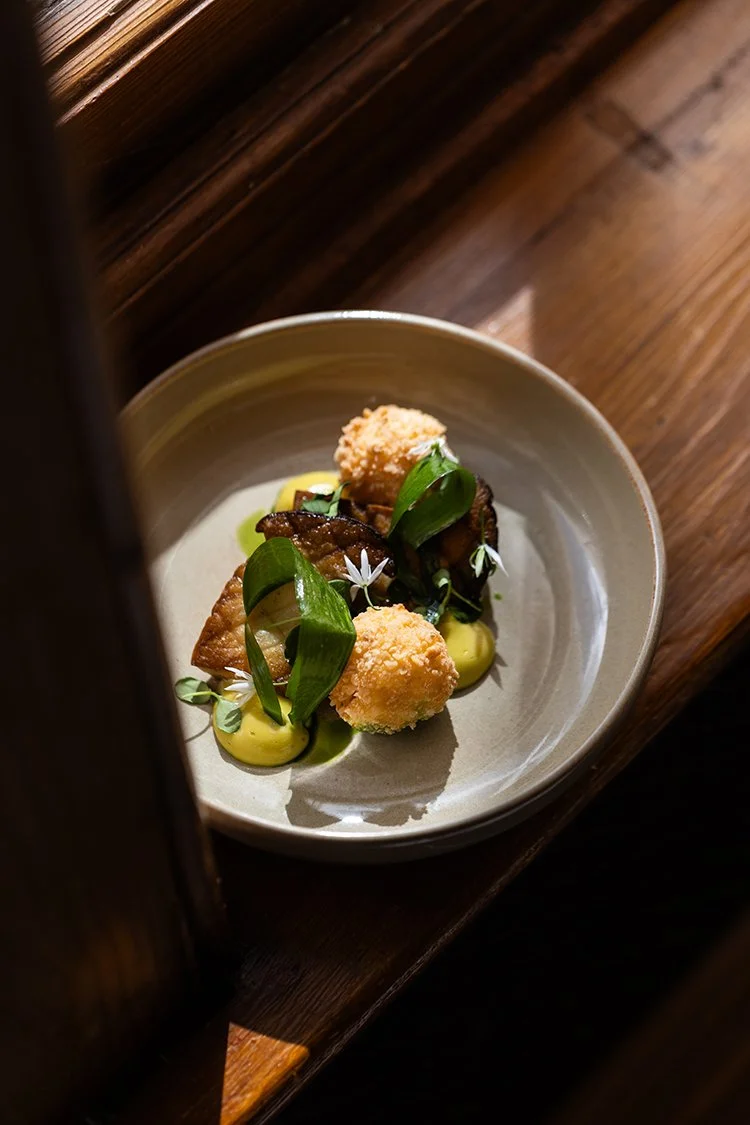
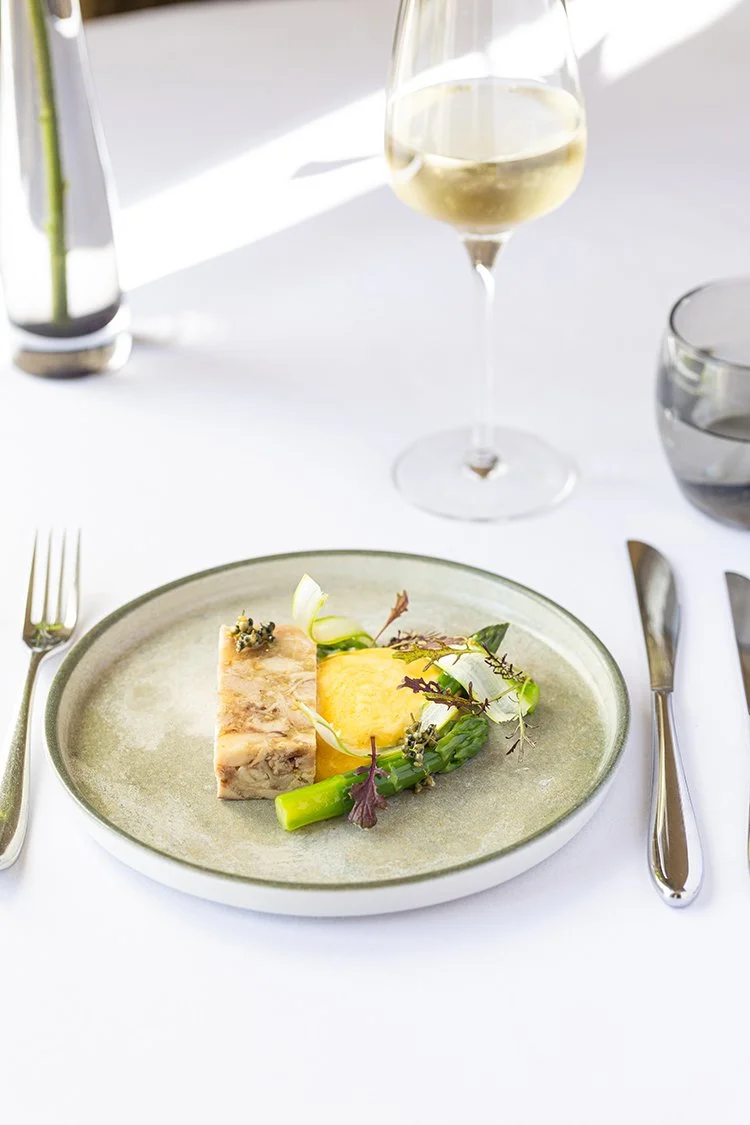
A beautifully lit dish might be perfect for the website.
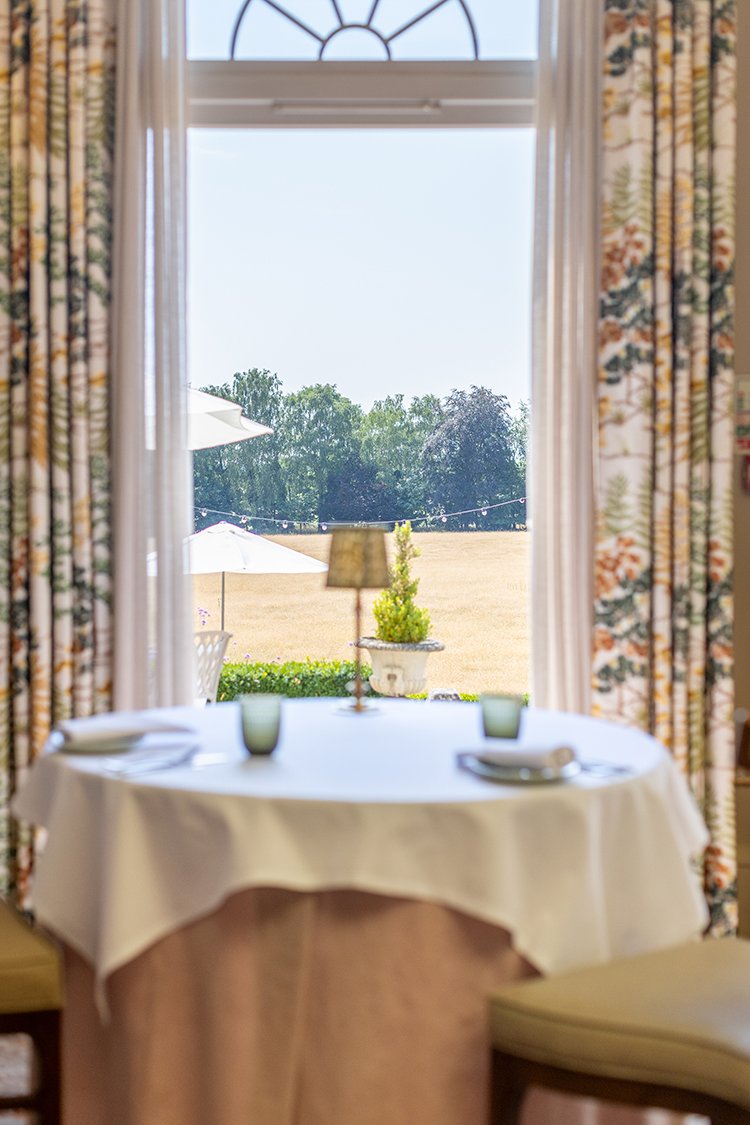
A wider shot showing the table and restaurant might work better for an advert.
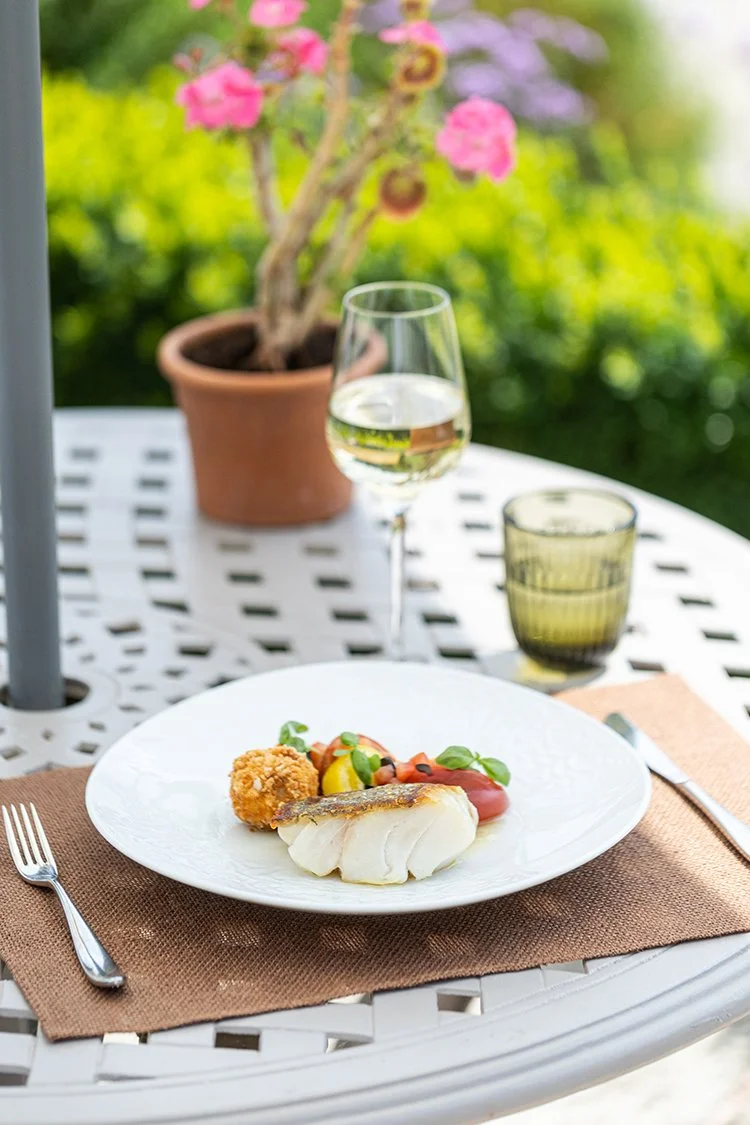
Vertical images are great for social media.
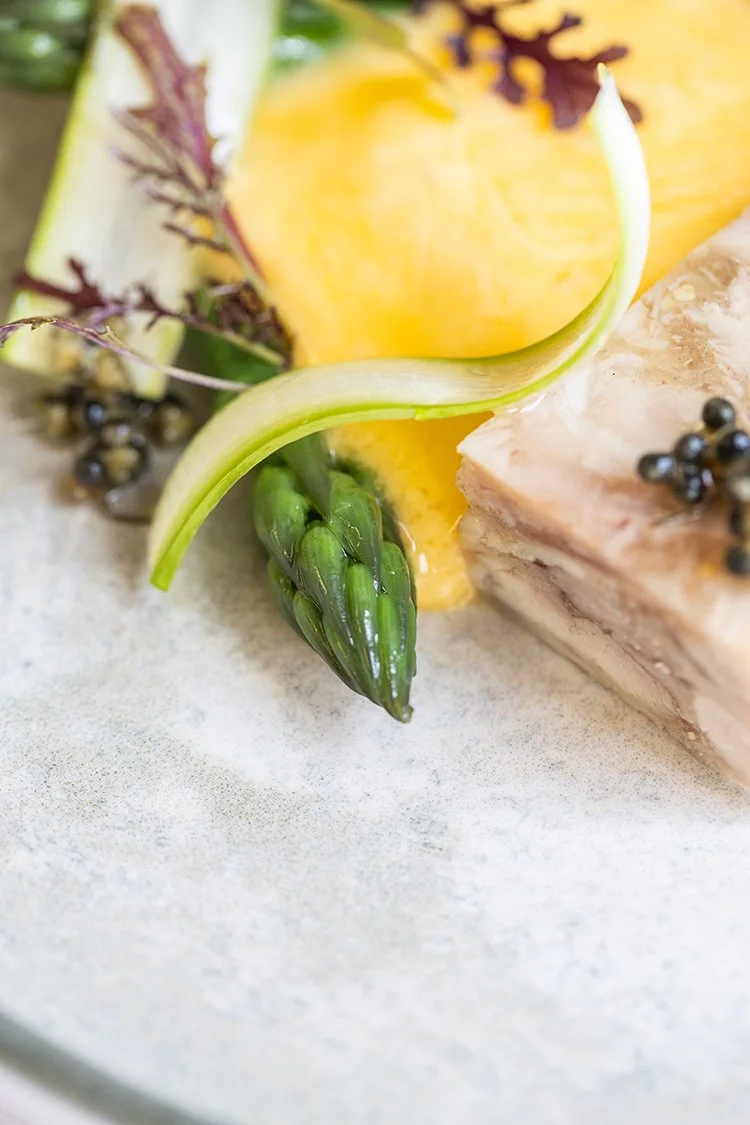
Close-ups can be useful when talking about ingredients or a particular dish.
A hand pouring a sauce adds movement and makes the image feel more natural.
A portrait of the chef introduces the person behind the food.
And wider restaurant images help potential guests imagine themselves actually being there.
For me, it's not just about creating lots of individually nice photographs. It's about creating images that work together and give the marketing team plenty of options.
Photographing the Experience
This is especially important with hospitality because guests aren't simply buying food.
They're buying the whole experience.
The room, table, wine, service, surroundings and, of course, the food all play a part.
For the launch of Malvern, I wanted the photography to show more than Head Chef Tim's dishes. The new restaurant and the wider setting of Brockencote Hall are part of the experience too.
If I'd spent the whole shoot photographing isolated plates of food, we'd have missed a big part of the story.
One Shoot, Lots of Uses
A well-planned hospitality shoot can provide content for websites, social media, PR, advertising, menus, brochures, email campaigns, awards and chef profiles.
It also means that when the marketing team needs a particular image a few months down the line, hopefully there's already something in the library that works.
And there's another big benefit: consistency.
That's particularly important after a rebrand. Creating a large collection at the same time means the lighting, colours, styling and overall feel of the photography all sit nicely together.
Planning Photography Around the Marketing
Working alongside a marketing team means understanding not just what they want photographed, but how they're likely to use the images afterwards.
I'll often shoot the same thing several different ways.
Horizontal and vertical.
Close and wide.
With people and without.
Sometimes I'll deliberately leave negative space where text could be added later.
They might seem like small differences while we're shooting, but they can make the final collection much more useful.
More Than Just Nice Photographs
Ultimately, commercial hospitality photography should obviously look great, but it also needs to do a job.
The launch of Malvern at Brockencote Hall is a great example.
We needed the standout food shots, but we also needed the people, interiors, details and atmosphere that help show potential guests what they can expect.
That's why I like to think of hospitality shoots as creating an image library rather than simply a set of photographs.
Because for me, a successful commercial shoot isn't just about delivering great-looking images.
It's about giving the client a collection they can actually use.
Photography at Brockencote Hall, Worcestershire, for the launch of Malvern, working alongside the Eden Hotel Collection marketing team and Head Chef Tim.
Tom Humphries Photography
Food, hotel and hospitality photography across the Midlands and UK.